Best Plants to Grow in Florida for Every Region
Looking for the best plants to grow in Florida for every region usually means you've already lost a few to something, summer heat that won't let up, a low spot that never dries out, or a January cold snap that took out a tender shrub overnight. That's normal here. Florida isn't one climate: north Florida (roughly USDA zone 8b-9a) gets real winter freezes most years, central Florida (9b-10a) has a longer warm season but still freezes on the coldest nights, and south Florida (10b-11) rarely freezes at all but deals with heavier humidity and wetter soil. Picking the right plant starts with picking the right region, then matching sun, drainage, and cold exposure on your specific site.
Best Fruit Trees for Central Florida
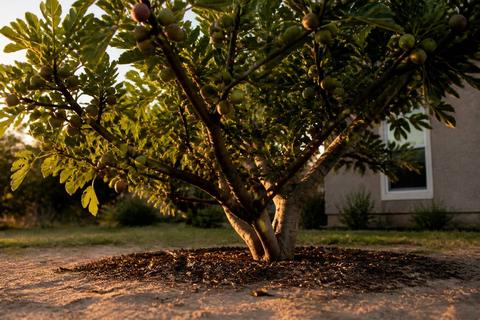
Central Florida's long warm season supports more fruit trees than the rest of the state, but two things trip people up every year: chill hours and freeze nights. A chill hour is an hour spent below 45°F, and deciduous fruit trees need to bank a certain number of them over winter before they'll bloom and set fruit normally the next spring. Standard peach or apple varieties bred for colder climates need more chill hours than Florida winters reliably deliver, which is why they sulk or fruit poorly here even when the tree itself survives.
- Pick low-chill varieties bred for Florida. According to UF/IFAS Gardening Solutions, low-chill peach, plum, and nectarine cultivars generally need only about 100 to 525 chilling hours a year, a range Central Florida's mild winters land on the low end of, well under what standard varieties sold for colder climates typically require.
- Buy from a source that names the variety, not just "peach tree." Cultivars bred for low-chill performance are labeled as such; generic nursery stock often isn't.
- Give tender trees a warm microclimate: plant on the south or southeast side of a wall or structure, which blocks north wind and holds a few extra degrees on the two or three nights a year it actually freezes.
- Confirm drainage before you dig. Florida's sandy soil can look fine and still hold water in a low spot after summer storms; dig a test hole about a foot deep, fill it with water, and if it hasn't drained within a few hours, pick another spot or build a raised mound.
- Water deeply and regularly the first year to establish roots, then taper off. Overwatering an established Florida fruit tree is more common than underwatering one.
For specific variety picks and a planting calendar, see the dedicated guide.
Full Guide: Best Fruit Trees for Central Florida
Best Fruit Trees for North Florida
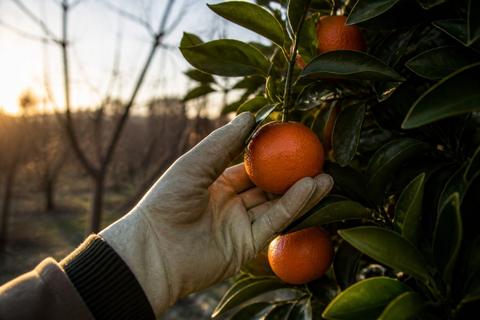
North Florida sees real winter cold, hard freezes most years and occasional teens or single-digit nights in a bad one, so fruit tree choice here is about surviving winter first and fruiting second. Citrus is still on the table, just not the sweet oranges and grapefruit that dominate central and south Florida groves.
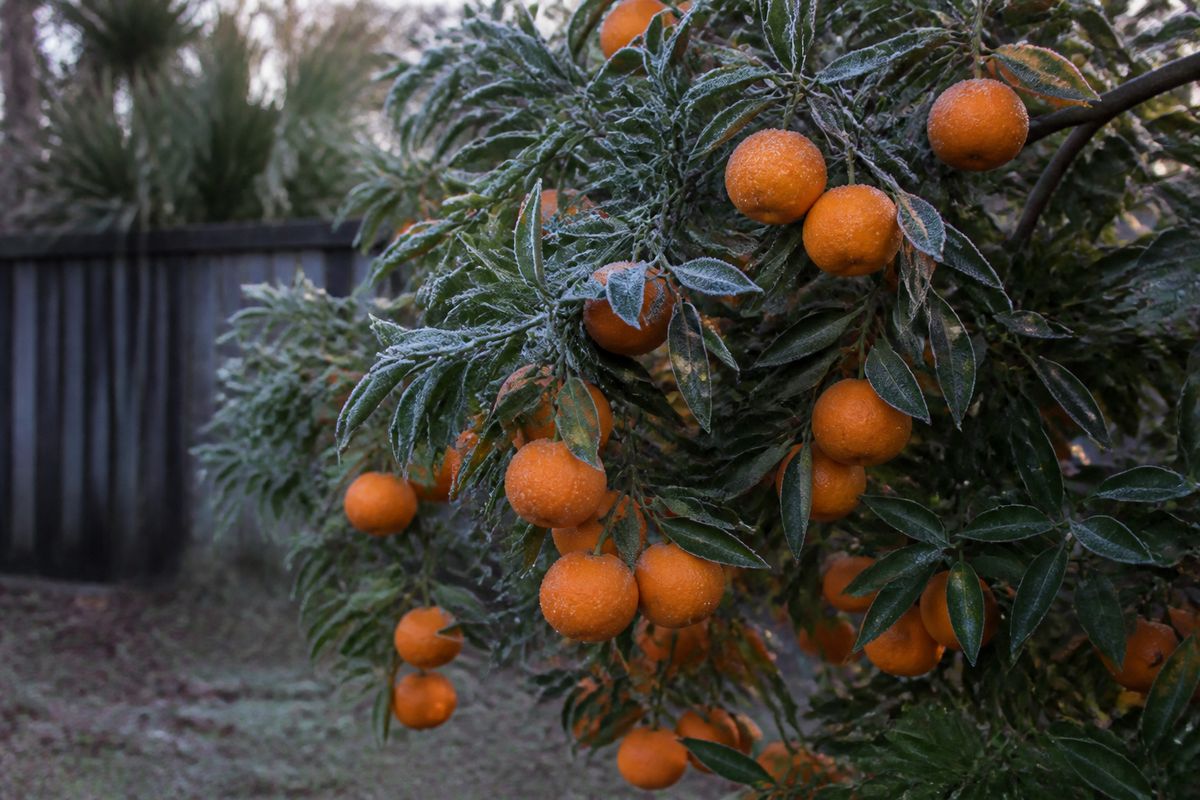
- Grow satsuma mandarins or kumquats instead of sweet orange or grapefruit. According to UF/IFAS Gardening Solutions, mature dormant satsuma trees can tolerate temperatures down to about 14°F, and kumquats down to roughly 16°F. Young or non-dormant trees are far more freeze-sensitive than those figures suggest, so protect new plantings for their first couple of winters regardless of variety.
- Owari, Silverhill, and Kimbrough are the satsuma cultivars with the longest track record in the Florida Panhandle; Owari is the one you'll find most often at nurseries.
- Site the tree on your warmest microclimate: full sun, south or southeast exposure, with a wall, fence, or tree canopy blocking north wind.
- Have a cold-protection plan before the first freeze, not after: frost blankets, old-style incandescent string lights for radiant heat, or continuous microsprinkler irrigation through the freeze event for young trees. Pull covers once temperatures climb back above freezing so heat and humidity don't build up underneath.
- Watch bloom timing on stone fruit and pears. A warm spell that pushes early bloom followed by a hard freeze can wipe out the year's crop even when the tree itself survives fine.
For exact varieties, spacing, and a freeze-protection routine, see the dedicated guide.
Full Guide: Best Fruit Trees for North Florida
Best Flowering Plants for Florida Gardens
The flowering plants that keep working in Florida are the ones that shrug off heat and humidity instead of merely surviving a few weeks of it. That rules out a lot of the perennials sold as general-purpose garden plants, which are bred for cooler, drier summers and burn out or rot here well before fall.
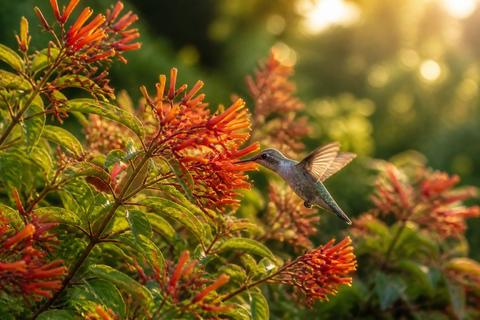
Look for bloomers that keep flowering through the worst of summer, not just spring, take full sun without scorching, and don't collapse under leaf spot or powdery mildew once humidity climbs. Firebush, plumbago, and lantana are reliable examples that do all three; hydrangeas and many hybrid tea roses are examples that need real babying to make it through a Florida summer.
For a full list with landscape uses and bloom-season expectations, see the dedicated guide.
Full Guide: Best Flowering Plants for Florida Gardens
Florida-Friendly Landscaping: Right Plant, Right Place
Most landscape problems in Florida trace back to placement, not plant choice. A plant that's a fine fit for the state can still fail in your yard if it's in the wrong spot, and small siting mistakes compound fast in Florida's heat and rain.
- Map real sun exposure before you plant, not the plant tag's guess. Watch a spot across a full day: 6+ hours of direct sun is full sun, less than that is part shade, and morning sun with afternoon shade behaves very differently than the reverse.
- Test drainage after a hard rain. Standing water still there a day later means that spot needs a wet-tolerant plant, a raised bed, or better grading, not a drought-lover.
- Plan for mature size, not nursery-pot size. Crowded plantings trap humidity around leaves and stems, which is one of the biggest drivers of fungal disease in Florida landscapes.
- Group plants with similar water needs together (hydrozoning), so you're not overwatering drought-tolerant natives to keep a thirsty ornamental alive three feet away.
For a full site-assessment walkthrough and plant-selection principles, see the dedicated guide.
Full Guide: Florida-Friendly Landscaping: Right Plant, Right Place
Best Shade and Water-Tolerant Trees for Florida
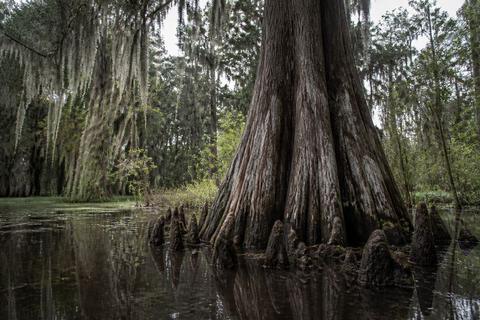
Shade trees make a real difference in Florida; a mature canopy over a patio or driveway noticeably cools the surface below compared to open sun. Water-tolerant trees solve a different problem: low spots, areas near downspouts, or yards that hold water for a day or two after heavy rain need species that don't sulk or rot in periodically soggy soil.
- Pick canopy shape based on what you're shading. A broad, spreading canopy cools a patio faster than a narrow, upright tree.
- Match the species to how wet your site actually gets. A tree rated for occasional wet feet is not the same as one rated for standing water; check the specific species before planting in a consistently damp spot.
- Leave real room for mature width and root spread, well clear of sidewalks, foundations, septic fields, and power lines. Problems here tend to show up a decade or more later, once the tree is too big to move.
- Water deeply right after planting to settle the roots, then taper off over the following weeks. Newly planted trees in Florida's sandy soil need consistent moisture at first, but permanently soggy roots invite rot even in wet-tolerant species.
For a species list and planting specifics, see the dedicated guide.
Full Guide: Best Shade and Water-Tolerant Trees for Florida
Frequently Asked Questions
What are the best plants to grow in Florida for beginners?
Start by figuring out which part of the state you're actually in, since north, central, and south Florida behave like different climates. Beginners generally have the best luck with plants widely recommended specifically for their region rather than generic "Florida-friendly" labels: satsuma citrus in north Florida, low-chill fruit trees or hibiscus in central Florida, and heat-loving tropicals like plumeria or bougainvillea in south Florida. Confirm your rough winter low temperature and your soil drainage before buying, since those two factors eliminate more plant choices than anything else.
Do Florida gardens need different plants by region?
Yes, and this is the single most common mistake in Florida gardening. A plant chosen based on a national gardening show or a friend's yard in another part of the state can fail here simply because it's wrong for your zone. North Florida gets hard freezes most winters and needs cold-hardy selections; central Florida has a longer warm season but still freezes on the coldest nights; south Florida rarely freezes but deals with more humidity and wetter soil. Matching plant to region isn't a nice-to-have, it's usually the difference between a plant that thrives and one that dies within a year or two.
What makes a plant Florida-friendly?
A Florida-friendly plant needs less supplemental water, fertilizer, and pest control once it's established, because it's already suited to local heat, humidity, and rainfall patterns. Practically, that means checking three things before you buy: does it match your sun exposure (full sun versus part shade), does it match your drainage (well-drained versus seasonally wet), and does it fit the space at full mature size without needing constant pruning. Plants that fail all three usually need the most babying and are the first to show stress in a Florida summer.