Florida-Friendly Landscaping: Right Plant, Right Place
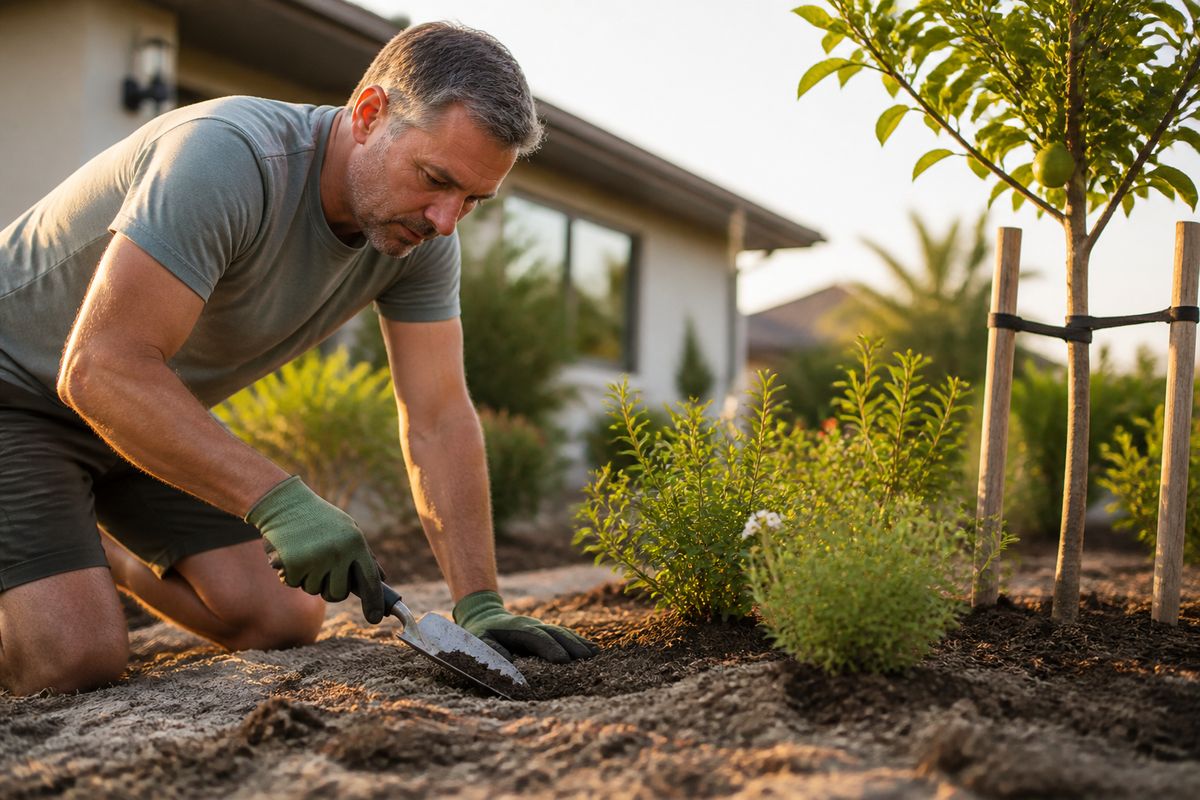
If your Florida yard keeps drying out between waterings, drawing pests, and needing constant touch-ups, the fix usually is not more effort, it is placement. Florida-friendly landscaping means putting the right plant in the right place: matching each plant to the sun, soil, and space it actually has so it can handle Florida heat and sandy soil without babying. You still get a full, attractive yard, it is just built around what your site does instead of what you hope it will do.
For more help, see our Best Plants to Grow in Florida guide.
What "Right Plant, Right Place" Actually Means
The core principle
This is the first of the nine Florida-Friendly Landscaping principles that UF/IFAS Extension promotes, and it comes before everything else: pick the plant to fit the spot, not the other way around.
- Walk your yard and note real conditions: full sun, part shade, dense shade, and any wind tunnels between structures.
- Watch where water goes after a hard rain, where it pools and where it disappears within a few hours.
- Match those conditions against the plant tag: light needs, mature size, and water needs.
- Choose plants that will thrive where they are going, not plants you plan to prop up with extra watering and pruning.
A plant sited correctly needs less from you for the rest of its life. A plant sited wrong needs babysitting for the rest of its life, or it dies and you replace it.
Why it cuts water, work, and pests
Plants under stress, wrong light, wrong soil moisture, wrong exposure, are the plants that draw scale, aphids, and fungal problems. Healthy, well-sited plants shrug off far more.
- Put dry-tolerant species in your fast-draining, full-sun spots and moisture-tolerant species in the low spots that stay damp after rain.
- Give plants their mature spacing up front so you are not hacking back crowded growth every year.
- Improve airflow by not overcrowding beds, tight, humid pockets are where fungal disease takes hold in Florida.
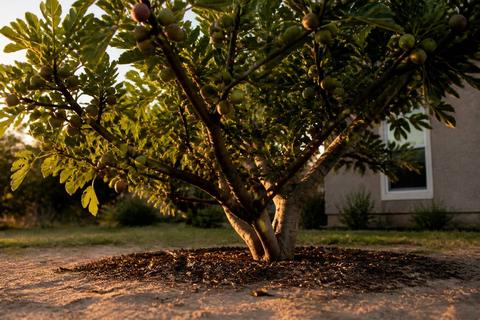
- Mulch 2 to 3 inches deep over the root zone, but leave the base of the plant itself bare, UF/IFAS recommends keeping mulch about a foot from tree trunks and a couple of inches from small plants so it does not hold moisture against the stem and invite rot.
None of this is exotic. It is mostly just not fighting your own site.
How this differs from generic lawn care
Generic lawn care treats a yard as one uniform space with one mowing-and-fertilizing routine. Florida-friendly landscaping treats it as several different microclimates, because in most Florida yards that is the truth: a shaded north side, a scorching west-facing bed, a low spot that holds water for a day after rain, and a windy corner between the house and the fence.
Instead of planning around mow height alone, you plan around three things: how much sun a spot gets, how fast the soil drains there, and how big the plants will get. Turf still has a place, on open, sunny, well-irrigated ground, but it stops being the default for every square foot, including the shaded strip under the oak where it has never grown well anyway.
Choose Plants That Fit Your Site
Match plants to sun, shade, and wind
A full-sun plant will thin out and stretch in deep shade. A plant not built for wind will scorch or snap in an exposed corner. Both are common, avoidable failures.
- Track real sun exposure for a full day: where direct sun runs 6+ hours, where it is partial, and where it is mostly shaded.
- Note wind funnels, gaps between structures or open, unobstructed edges that take constant gusts.
- Match plant light and wind tolerance to each zone, especially at foundations and fence lines that take the worst of it.
- Use taller, tougher plants as a windbreak, then plant calmer, shorter species behind them.
Most "mystery decline" in Florida landscapes traces back to this single mismatch: a plant doing fine on the tag, failing on your specific site.
Work with your soil's drainage and pH
Florida soils are inconsistent even within one yard. Sandy soil a few feet from a compacted, clay-heavy pocket is common, and each holds water on a completely different timeline.
- Dig a test hole about 12 inches wide and 12 inches deep, fill it with water, and time the drain. Fast (under a few hours) means a dry-adapted plant; slow (still holding water the next day) means a moisture-tolerant one.
- Watch the same spot after a real rain to confirm what the test hole told you.
- Test soil pH with a home kit or through your county UF/IFAS Extension office, then pick plants rated for that range.
- Amend soil only in the planting hole where it is genuinely needed, not across the whole bed if drainage is already fine.
Matching drainage up front stops the common trap of overwatering a plant that is actually rotting from being too wet already.
Plan for mature size before you dig
Skipping this step is how you end up with roots cracking a walkway, a shrub swallowing a window, or a tree canopy pressing on the roofline five years later.
- Look up mature height and width on the tag, and when the range is wide, plan for the larger number.
- Map where the plant's canopy and root zone will sit at full size, keeping clearance from foundations, walkways, and utility lines.
- Space for airflow between mature plants, not between the small nursery pots you are holding today.
- Put slow growers where you want permanent structure, and save fast growers for spots that can take being replaced or cut back.
Get this right once and you skip years of reactive pruning and expensive removals.
Find the Best Plants for Your Florida Region
Florida's growing conditions differ enough by region that "Florida plants" is not specific enough to plan around. North and Central Florida see real winter chill and occasional hard freezes (roughly USDA zones 8b-9b); South Florida rarely freezes at all (zones 10a-11) but deals with more salt air, storm-driven rain, and heavier humidity.
Central Florida
Central Florida runs hot summers and mild winters with the occasional freeze, over sandy soil in most subdivisions and heavier soil in older neighborhoods.
- Use full-sun plants in open exposure and save shade-tolerant species for north-facing or tree-covered beds.
- Prioritize drainage on slopes and any bed that dries out fast after rain.
- Pick heat- and humidity-tolerant varieties, then taper irrigation down gradually after planting instead of cutting it off abruptly.
- Leave real growing room. Central Florida beds often look sparse the first year and crowded within three or four.
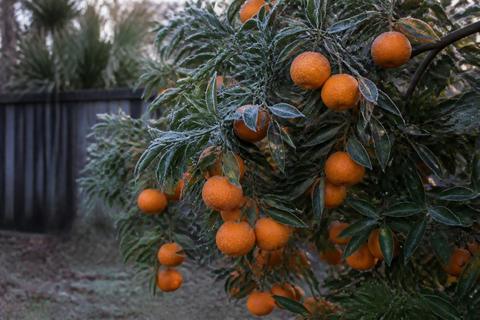
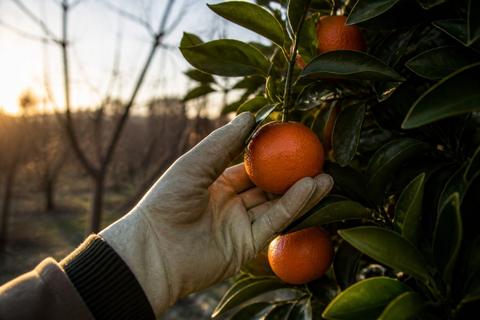
Tender fruit trees (citrus, some tropicals) need a full-sun spot shielded from north winds, plus frost cloth or another protection plan ready for the occasional freeze night.
South Florida and Southwest Florida
South Florida's coastal exposure, salt air, and wet-dry seasonal swings change what survives compared to the central peninsula.
- In coastal spots, use salt-tolerant species and place them behind windbreaks where salt spray is cut down.
- Group plants by water need rather than mixing drought-tolerant and moisture-loving species in the same bed, the summer wet season and winter dry season are both pronounced here.
- Use shade for anything sensitive to the more intense, more direct sun this far south.
- Keep irrigation steady through establishment, then taper based on how the soil and plant actually respond, not a fixed calendar.
Matching plants to this region cuts down on leaf burn and the constant rescue-watering that comes from planting something better suited to Central or North Florida.
Using UF/IFAS to narrow your list
UF/IFAS Extension's Florida-Friendly plant guide and your local county extension office are the fastest way to get a plant list built for your actual conditions instead of generic gardening advice written for a different climate.
- Start with your county's extension recommendations for your sun and soil conditions.
- Confirm light needs, mature size, and expected maintenance for each candidate.
- Check pest and disease notes, some ornamentals that do fine elsewhere struggle badly in Florida humidity.
- Build a shortlist, then confirm final picks against the plant tag and your own site notes.
Build a Better Florida Plant List
Native trees, shrubs, and groundcovers
Native species evolved with Florida's climate and soils, which gives them a real head start, though "native" is not automatically "right for your yard." A native swamp species still will not thrive in a bone-dry, full-sun bed.
- Use native trees for structure where space allows, then layer shrubs underneath for habitat and screening.
- Use groundcovers to hold soil and cut weed pressure, especially where turf has always struggled.
- Match natives to the site the same way you would any plant: dry spots get drought-tolerant natives, damp spots get moisture-tolerant ones.
- Plan for mature size, native landscapes often get bigger than people expect.
Color, pollinators, and privacy without high maintenance
You can get real screening and seasonal color without a bed that needs daily attention, if you pick plants for function first.
- For privacy, use shrubs that fill in densely at maturity, spaced correctly so you are not pruning gaps closed for years.
- For color, stagger bloom windows across several species instead of leaning on one high-maintenance bloomer.
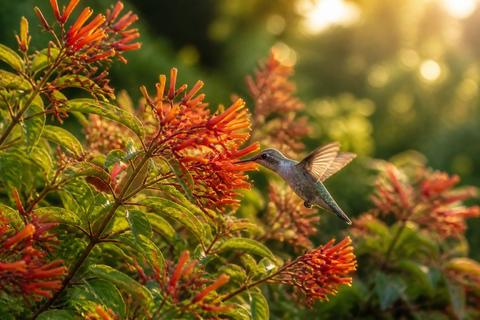
- For pollinators, include a few reliable nectar sources that flower across the warm months, not just spring.
- Mix evergreen and deciduous where it makes sense so the bed still has structure in the off-season.
Native versus nonnative: how to actually compare
Native plants are a strong default, but some nonnatives perform well too, and a few "safe-looking" ornamentals turn into a maintenance headache or spread where they should not.
- Compare on site fit first, light, drainage, and mature size matter more than origin alone.
- Check real maintenance load: drought tolerance, pruning frequency, and how aggressively it spreads.
- Weigh pest and disease resilience under Florida's humidity and long growing season.
- Confirm with UF/IFAS or a Florida native plant organization whether a nonnative candidate is recommended or flagged as invasive.
Common Mistakes Worth Avoiding
Planting large trees too close to structures
Shade lowers cooling costs and canopy adds real value, but a tree planted too close to a house, driveway, or power line usually ends in an expensive removal, not a design win.
- Look up mature width before planting and keep that full clearance from structures and hardscape.
- Stay clear of foundations and power lines even when the sapling looks harmless today.
- Choose a smaller mature species near the house if space is genuinely tight.
- Plan for root spread beyond the canopy line, not just trunk clearance.
If a tree is already planted too close, call an arborist for a targeted pruning plan rather than fighting it with constant cutting.
Overwatering and poor drainage
Crispy leaf edges get read as "needs more water" more often than they should. Many Florida sites actually drain fast, and wet roots from overwatering cause their own stress and disease, which then looks like drought stress.
- Check soil moisture a few inches down before watering. Water by need, not by a fixed schedule.
- Keep irrigation zones grouped by water need, do not run drought-tolerant and thirsty plants off the same zone.
- Amend the planting hole where drainage is genuinely poor, but do not create a bowl that traps water around the roots.
- Mulch 2 to 3 inches deep, kept off the stems, to slow evaporation between waterings.
Yellowing plus wet soil plus fungus is a drainage problem, not a "needs more water" problem. Pull back irrigation and fix drainage before adding fertilizer.
Lawn-only yards that never stop needing work
Wall-to-wall turf in Florida usually means a permanent cycle of mowing, edging, watering, and patching bare or scorched patches. Converting the worst-performing turf areas to beds cuts that cycle down.
- Identify the lawn zones under constant stress, shaded strips, runoff paths, poor soil, that never really hold turf well.
- Convert those first to groundcovers, shrubs, or shade-tolerant plantings.
- Keep turf on the open, sunny ground where it actually performs with normal mowing and irrigation.
- Rework irrigation zones to match the new layout so you are not still watering a bed that no longer has turf's water needs.
Design for the Whole Year
Layer plants for shade, screening, and erosion control
- Put trees and tall shrubs where they will shade understory plants once mature.
- Use mid-height shrubs as screens along fences and property lines, spaced to their mature width.
- Add groundcovers on slopes or bare soil where rain would otherwise wash it away.
- Build beds tall-to-short, back to front, so nothing gets shaded out by its own neighbors later.
Seasonal color without the high-maintenance bed
- Choose a few plants with staggered bloom periods so one takes over as another fades.
- Lean on evergreen structure plants to carry the bed through the slow months.
- Add bulbs or a small run of annuals only where you actually want to change things seasonally, not throughout the whole yard.
- Keep bed size realistic. A smaller, well-planned bed is easier to mulch, weed, and water than a sprawling one.
Group plants by irrigation need
Mixing drought-tolerant and thirsty plants in the same bed guarantees some plants stay too wet and others stay too dry, no irrigation schedule can serve both at once.
- Map your irrigation zones (existing or planned) against each plant's actual water need.
- Keep drought-tolerant and moisture-loving species on separate zones or hand-watering routines.
- Water deeper and more often only during establishment, then taper as roots take hold.
- Reassess after establishment and cut back watering wherever plants are holding up fine without it.
Trusted Resources for Identification and Planning
Read the label, then check extension guidance
- Read the light requirement first and match it against your yard's real sun and shade.
- Note mature size and use it to set real spacing.
- Check the watering and soil notes against the drainage you actually tested.
- Cross-check region-specific varieties with UF/IFAS or your county extension office before buying.
Identify site needs before you shop
- Photograph the planting area and note sun hours, shade patterns, and wind exposure.
- Decide what the space needs to do, screening, filling a dry corner, adding color, before picking species.
- Build a shortlist of plant types from that, then pick specific species from the shortlist.
- Confirm mature size and water need fit the spot and your irrigation setup before buying.
Where to find Florida native plant references
- UF/IFAS Extension for region-specific, practical growing guidance.
- Florida native plant organizations that maintain species lists and habitat notes by region.
- Florida plant atlases for distribution and habitat fit.
- Cross-reference more than one source, then finalize against the plant tag and your own yard measurements.
Frequently Asked Questions
What does Florida-Friendly Landscaping mean?
It is the first of UF/IFAS Extension's nine Florida-Friendly Landscaping principles: put the right plant in the right place so it needs less water, fertilizer, and pest control once it is established.
Are native plants always the best choice?
Often, but not automatically. The best plant is the one that fits your site's sun, soil, and drainage, whether or not it is native.
How do I choose plants for Central Florida?
Start with sun exposure, soil drainage, and mature size, then confirm choices against UF/IFAS and your county extension office for varieties suited to Central Florida's mix of freeze risk and heat.
Can Florida-Friendly Landscaping still include turfgrass?
Yes. Turf fits in where it makes sense, sunny, open, well-irrigated ground, and is managed with the right mowing height and watering, not where it has always struggled.
Where can I find reliable Florida plant lists?
UF/IFAS Extension's Florida-Friendly Landscaping resources and Florida native plant organizations are the most reliable starting points for region-specific recommendations.