Best Fruit to Grow in Central Florida
Best fruit to grow in Central Florida comes down to your exact yard, not a generic list. Heat and humidity are rarely the limiting factor here, winter chill, sandy soil drainage, and hurricane wind exposure are what actually separate a tree that fruits reliably from one that sulks for years. Pick species and varieties suited to your microclimate first, then the care part is fairly simple.
For more help, see our Best Plants to Grow in Florida guide.
Why Central Florida Is Different
Match fruit trees to heat, humidity, and chill hours
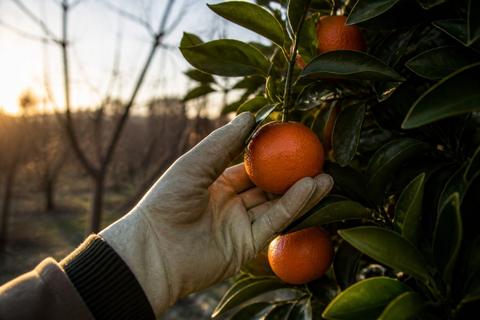
Citrus and figs are the easy wins in Central Florida because they set fruit without a long winter chill requirement. Peaches are trickier: a high-chill variety bred for the Carolinas or the Midwest will leaf out fine here but rarely sets a real crop, because it never accumulates enough cold hours to break dormancy properly. Stick to low-chill, Florida-bred varieties instead, 'Flordaprince' and 'TropicBeauty' were both developed by the University of Florida specifically for low-chill regions and need only around 150 chill hours, versus 600-plus for a standard Southern peach. That's the difference between a tree that fruits and one that just grows leaves.
Plan around sandy soil, rain patterns, and hurricane wind
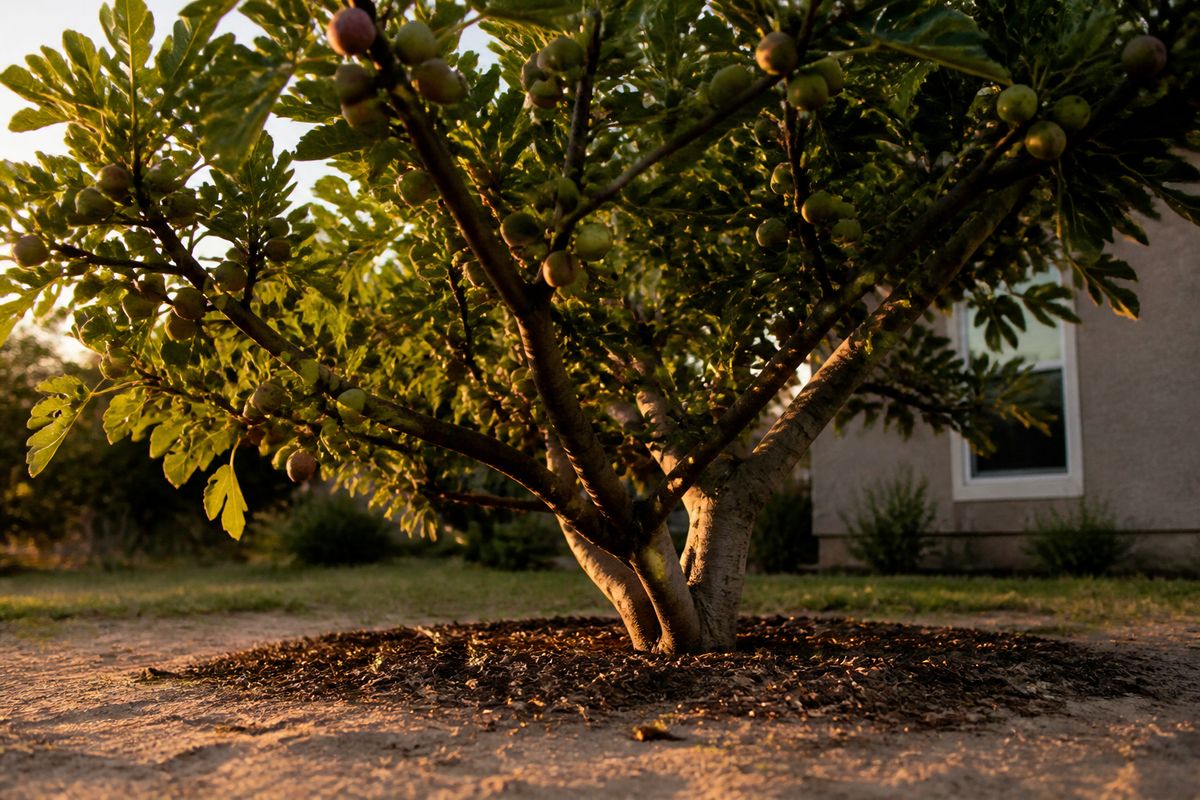
Most Central Florida yards sit on sandy, fast-draining soil, so trees dry out fast between thunderstorms and fertilizer washes through before roots can use it. Dig a wide (not just deep) planting hole, work compost into the backfill, and keep a mulch ring down to slow evaporation. Wind is the other variable people underestimate: stake young trees for their first year or two, train a low, sturdy branch structure instead of a single tall leader, and never let the graft union sit right at ground level where a storm can snap it. Skip hard pruning in the weeks right before hurricane season, fresh cuts and a lighter canopy don't make a tree safer, and you want the wood hardened off, not stimulated into new growth.
Know which fruits thrive in Orlando, Ocala, and nearby areas
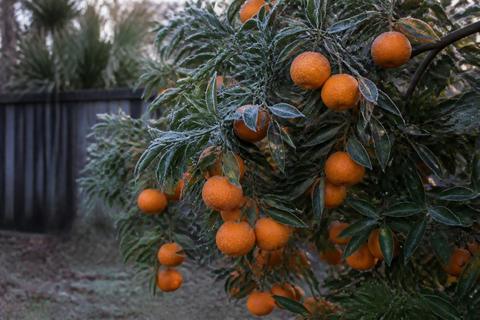
Orlando and Ocala are both solidly Central Florida, but Ocala runs a bit colder in a hard winter, and that shifts what's worth planting. Citrus, fig, loquat, mulberry, avocado, and low-chill peach varieties are the reliable core for both. Mango, banana, and star fruit can work, but only on a site with real wind shelter and no cold-air pooling, low spots and open yards will disappoint you. In frost-prone pockets, cold-hardy citrus like satsuma mandarins or kumquats is the safer call over a tender sweet orange: satsumas can tolerate temperatures down to around 14°F once mature and dormant, well past what a typical Central Florida freeze delivers.
Top Fruit Trees for Central Florida Gardens
Best all-around choices for home growers
Fig and mulberry are the two trees that reward the least fuss, plant them in sun, water them while young, and they largely take care of themselves. Citrus is the dependable annual producer once established. Avocado is worth the space if you can give it wind protection and cover it during hard freezes, since young trees are notably freeze-tender. Loquat is the closest thing to a "forget about it" tree here, tolerating dry stretches better than most. Before buying anything, look up the tree's mature spread, a lot of regret in Florida yards traces back to a fig or mulberry planted four feet from a fence line.
- Pick at least two different fruit types so a bad year for one doesn't mean zero harvest.
- Site for full sun first, 6 to 8 hours minimum for good fruit set.
- Buy varieties a local nursery actually stocks for Florida, not whatever's cheapest online.
Low-maintenance fruit trees that reliably produce
If your goal is minimal problems, build around fig, loquat, mulberry, and a cold-appropriate citrus. Figs fruit reliably here even in an off year. Loquat holds up well with basic irrigation and a mulch ring. Mulberry establishes fast and tolerates a wide range of soil and care levels. For citrus, match the variety to your frost risk, satsuma mandarins and key limes for colder pockets, sweeter varieties where freezes are rare. Consistent watering and a sunny, open spot do more for these trees than any feeding schedule.
- Plant in full sun with open airflow around the canopy to keep fungal disease down.
- Keep 2 to 4 inches of mulch spread wide, pulled back from the trunk itself.
- Water deeply, then let the top few inches of soil dry before watering again.
Fast-bearing options for quicker harvests
Fig, loquat, and most mulberries are the quickest to reward you, often producing something within a year or two of planting given decent sun and water. Citrus generally takes longer from a young tree, but buying a grafted tree with some age and structure already on it shortens the wait considerably compared to starting from a small seedling. A seedling citrus tree can take years longer to fruit and often doesn't come true to the parent variety at all.
- Buy grafted, established trees rather than small seedlings if speed matters to you.
- Plant in full sun and water consistently through the first month after planting.
- Protect the trunk and graft union from wind, and don't bury them under a mulch volcano.
Best dwarf fruit trees for smaller yards
Dwarf trees do fine in Central Florida as long as they get full sun, good drainage, and regular feeding. Dwarf citrus in a container is the most popular option for patios, mainly because you can wheel it under cover or into a garage during a hard freeze. Compact figs and some dwarf mulberries also work in containers if you stay on top of pruning and pot size. The catch with containers is that they dry out much faster than ground soil, so watering has to be more frequent, not less.
- Use at least a 15- to 25-gallon container for most dwarf fruit trees.
- Place it in your sunniest spot, shaded leaves on a potted tree rarely produce well.
- Fertilize on a set schedule, since nutrients leach out of pots faster than garden soil.
Fruits That Do Especially Well by Season
Spring and summer fruit harvests to expect
A mix of citrus and warm-season fruit gives you the steadiest spring-into-summer supply. Figs typically deliver a strong flush in late spring or early summer, and some varieties follow with a second, smaller crop later. Loquat and mulberry also ripen in the warmer months. New plantings will usually give you a lighter crop the first year or two, that's normal establishment behavior, not a sign anything's wrong.
- Mix varieties with staggered bloom and ripening windows rather than all-at-once types.
- Keep irrigation steady through heat waves; drought stress during fruit development causes fruit drop.
- Harvest often so ripe fruit isn't sitting on the tree attracting pests and rot.
Late-summer and fall fruiting trees
Citrus and figs carry into late summer and fall, and some avocado varieties ripen in this window once the tree is mature and well pollinated. Mulberry can keep producing into fall depending on the variety and how much stress the tree is under. If a longer season matters to you, prioritize trees known to fruit later rather than assuming every variety behaves like a spring-only bearer.
- Thin dense growth so sunlight reaches the branches that are actually setting fruit.
- Watch mulch depth after heavy rain, a soggy root zone invites root rot.
- Check fruit for pests as it colors up; that's when insects find it.
Everbearing and extended-harvest varieties
A longer harvest window comes from variety choice, not luck. Citrus varieties ripen at different times of year, so planting a couple of different types spreads out your harvest naturally. Fig trees often produce two flushes in a single year when the tree is healthy and established. If you don't want one big harvest followed by months of nothing, plant at least one variety known for repeat or extended fruiting, and keep nitrogen fertilizer modest, pushing too much leaf growth comes at the expense of fruit.
- Include at least one repeat-fruiting type, like fig, alongside a single-season tree.
- Don't over-fertilize with nitrogen; excess leaf growth reduces fruit set.
- Keep irrigation steady during dry spells, drought stress can shut down fruiting.
When avocados, citrus, and tropical fruits usually ripen
Avocado ripening windows vary a lot by variety, but many Florida-grown trees mature from late summer into winter, which is why growers often plant more than one variety to extend the season. Citrus ripens in phases, satsumas are typically ready in the cooler months, while some summer varieties color earlier. Tropical fruit like mango, banana, and star fruit is far more dependent on the weather that year; a cold snap can delay ripening or wipe out a crop outright, especially in an unprotected site.
- Label your trees by variety so you can track which ripens when.
- Cover tender fruit before a hard freeze with frost cloth that reaches the ground, not plastic sheeting.
- Judge ripeness by taste, not just color, this matters especially for avocado.
What to Plant by Space, Sun, and Site
Best choices for full sun backyards
A full-sun yard gives you the widest menu: citrus, fig, loquat, and mulberry are all safe bets, and avocado is worth adding if you can give it wind protection and freeze cover when needed. Mango and banana can work too, in a yard sheltered from north and west wind. A spot near a south- or southeast-facing wall that holds heat overnight is genuinely useful for marginal trees. Sandy soil still needs the same drainage attention even in full sun, sun doesn't fix poor drainage.
- Put your most cold-tender trees on the warmest side of the house.
- Give each tree room for its mature canopy; don't crowd against a fence line.
- Set up simple drip irrigation so watering stays consistent through summer heat.
Shade-tolerant or part-sun options
Part-sun yards can still grow fruit, just with lower expectations. Citrus tolerates light shade, but fruit size and sweetness both drop when the canopy is shaded most of the day. Fig handles brief afternoon shade reasonably well, though full sun still means better flavor and yield. Loquat and mulberry are the most shade-tolerant of the group, but they still need several hours of direct sun to fruit well. In a mostly shaded yard, favor smaller trees and prune to open the canopy so light reaches the fruiting wood.
- Aim for at least 4 to 6 hours of direct sun if full sun isn't available.
- Prune to let light into the center of the canopy, not just the outer edge.
- Keep watering consistent, shade slows drying, which raises disease risk.
Trees that fit small urban lots and container growing
Small lots usually mean shallow soil and less predictable watering. Containers are the practical fix, dwarf citrus, compact figs, and other patio-friendly trees all do well potted, and a container also lets you move the tree under cover during a freeze. Use a pot with real drainage holes and a quality potting mix, not garden soil, which compacts and drains poorly in a container. Feeding matters more here since nutrients wash out with every watering.
- Start with a large container and size up as the tree grows.
- Water until it runs out the drainage holes, then let the top inch dry before the next watering.
- Fertilize on a regular schedule sized to the container, not the label rate for ground-planted trees.
Good fruit trees for backyard privacy and edible landscaping
Fruit trees can double as a privacy screen if you pick the right form and prune with intent. Mulberry gives dense, fast cover but drops fruit that stains pavement, so keep it away from walkways and parked cars. Citrus planted in a staggered line makes a workable edible screen. Fig trained to a wider shape provides good coverage and a natural barrier. Whatever you plant, leave a gap in the hedge line for harvest access and pest checks, a screen you can't get behind isn't useful for long.
- Space for mature width first, then prune to shape the hedge over time.
- Leave harvest access built into the layout, not an afterthought.
- Mulch and groundcover under the hedge line to cut weeding without bare dirt.
How to Plant and Care for Fruit Trees in Florida
Choose healthy seedlings, grafted trees, or bare-root stock
Grafted trees are the right call for almost all Florida fruit, the rootstock is chosen for local soil and disease tolerance, and the top variety is known to fruit true. Bare-root stock can work if you plant it promptly in the right season and stay on top of watering while it establishes. Seedlings take longer to bear and, for grafted species like citrus, often don't match the parent tree's fruit quality. Check any tree before buying for healthy leaf color, an intact graft union, and no cankers or soft spots on the trunk.
- Buy from a nursery that specifically carries Florida-adapted varieties.
- Inspect the trunk and graft union for damage or fungal spotting before buying.
- Get bare-root stock in the ground promptly, don't let roots sit exposed and dry out.
Prepare soil, mulch, and irrigation the right way
Sandy Florida soil drains so fast that the real challenge is holding moisture at the root zone without waterlogging it after a downpour. Dig the planting hole wide rather than deep, and loosen the sides so roots can push into the surrounding native soil instead of circling. Work compost into the backfill for better nutrient and moisture holding. Mulch 2 to 4 inches deep, kept a few inches clear of the trunk to avoid rot. Drip irrigation with a deep, less-frequent watering schedule beats daily shallow sprinkling for root development.
- Water a newly planted tree deeply 2 to 3 times a week for the first month.
- Taper back after that first month and let rainfall and leaf condition guide watering.
- Refresh mulch as it breaks down, and keep it in a ring, not piled against the trunk.
Fertilize avocados and other fruit trees without overdoing it
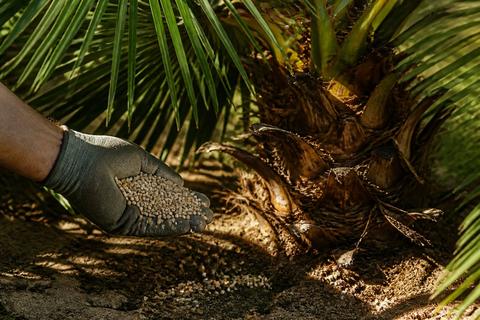
Too much fertilizer, especially nitrogen, pushes leafy growth at the expense of fruit, and that effect is worse in Florida's warm, humid growing season. For avocado, follow label rates scaled to tree size and split into smaller, more frequent doses rather than one heavy application. Citrus and most other fruit trees follow the same logic: steady, modest feeding beats an occasional big dose, especially in sandy soil where nutrients leach through quickly. Pale leaves or stalled growth usually mean the feeding schedule needs adjusting, not a total rework of your care routine.
- Start with modest fertilizer amounts in the tree's first season and build from there.
- Hold off on fertilizing during cold snaps or when the tree is otherwise stressed.
- Watch new growth after each feeding and adjust the next round based on what you see.
Prune for airflow, pest control, and easier harvesting
Pruning in Central Florida is mostly about airflow, an open canopy dries out faster after rain, which cuts down on fungal disease. Remove dead, damaged, or crossing branches as you find them. On young trees, prune early to establish a handful of well-spaced scaffold limbs rather than one dominant leader, which builds a stronger structure for storm season. Avoid heavy pruning right before or during a stress period like a heat wave or a freeze; make targeted cuts instead. A well-structured canopy is also easier to cover with frost cloth when a freeze warning comes through.
- Prune in dry weather so fresh cuts aren't sitting wet, which invites disease.
- Remove suckers and water sprouts that pull energy from productive branches.
- Prune for structure and light penetration, not to aggressively shrink the tree.
Specialty and Tropical Fruits Worth Trying
Dragon fruit, passion fruit, and star fruit basics
Dragon fruit grows on a cactus-like vine and needs sturdy support plus full sun to perform in Florida. Passion fruit is a vigorous climber that wants a trellis, strong sun, and consistent moisture to fruit well. Star fruit is the most cold-sensitive of the three and needs real wind and cold protection, which is why it's often grown in a container that can be moved. None of these are true set-and-forget plants, treat them as an active part of the garden, not background landscaping.
- Give dragon fruit a sturdy trellis or post and full sun exposure.
- Trellis passion fruit and keep it watered through hot stretches.
- Grow star fruit where cold wind is blocked, or in a container you can bring under cover.
Native and lesser-known Florida fruits to consider
Beyond the usual list, Florida nurseries often carry native or regional options like mayhaw, along with muscadine grapes, which handle humidity better than bunch grapes. These aren't typically stocked at big-box garden centers, but a local nursery will usually know which of these actually perform in your specific county rather than the state as a whole.
- Ask a local nursery directly which lesser-known fruits do well in your county.
- Plan for mature size, vining and shrub-form fruits can spread more than expected.
- Mulch and irrigate them the same way you would any other fruit planting.
What to know before trying exotic fruit trees
Exotic fruit trees are genuinely fun to grow, but Central Florida's cold swings and hurricane wind exposure are real constraints, not fine print. Most exotic-tree failures trace back to cold damage at the wrong moment, poor wind shelter, or inconsistent watering while the tree is still establishing. Check a variety's cold tolerance rating before buying, and choose a site that blocks north and west wind. If you can't reliably protect a tender tree during freezes, pick a hardier species instead of hoping the weather cooperates. Also confirm pollination needs up front, some fruiting plants need a second compatible variety nearby to set fruit at all.
- Choose based on realistic cold hardiness and your actual ability to protect the tree during freezes.
- Skip low spots for exotics, that's exactly where cold air settles overnight.
- Confirm pollination requirements before committing to just one tree of a given species.
How to propagate fruit trees from cuttings
Not every fruiting plant roots well from a cutting. Passion fruit and dragon fruit both root reasonably well from cuttings or segments. Most tree fruit, citrus, avocado, peach, roots slowly or unreliably from cuttings, which is why buying grafted stock is the standard approach. If you want to try cuttings, stick to species known to root easily in warm climates, use clean, sharp tools, and keep the rooting medium lightly moist rather than wet.
- Take cuttings during warm weather with clean, sharp pruners.
- Use a fast-draining rooting mix kept lightly moist, never soggy.
- Start cuttings in bright, indirect light and increase sun gradually as roots form.
Problems to Avoid Before You Buy
Common pests, disease pressure, and freeze risk
Humidity raises disease pressure here, particularly on dense, crowded canopies. Expect insect pressure to pick up as fruit colors and ripens, which is normal rather than a sign of a sick tree. Freeze is the real threat for tender fruit trees, especially young ones with thin bark that hasn't hardened off yet, and hurricane wind can snap branches and graft unions on established trees. The most effective defense is boring but reliable: match the variety to your actual cold risk, plant in a sheltered sunny spot, and keep the canopy open enough for airflow.
- Don't crowd trees together, tight spacing raises disease pressure across the planting.
- Prune for airflow and remove dead or diseased wood as soon as you spot it.
- On nights forecast below 32°F, drape frost cloth over young tender trees all the way to the ground, and remove it once temperatures rise.
Why some popular fruits struggle in Central Florida
Most failures come down to a mismatch: a high-chill peach or a northern apple variety that never accumulates enough winter cold to set fruit, even though it grows leaves just fine. Tender tropicals fail without real wind and cold protection, especially in an open yard or a low spot where cold air pools overnight. Fast-draining sandy soil can also cause fruit drop or stunted growth if watering isn't consistent. Before buying, confirm the variety is actually rated for Florida conditions rather than assuming a fruit tree at the garden center is automatically suited to your yard.
- Skip high-chill varieties unless you can genuinely meet their chill hour requirement.
- Don't plant cold-tender trees in open, wind-exposed spots.
- Match watering and drainage to the tree's actual root needs during hot months.
When removal or replacement is the smarter choice
Sometimes a tree is failing because of the site, not bad luck. If freeze damage kills back the main structure year after year, replacing with a hardier variety usually beats years of partial recovery. The same goes for a tree with a disease problem that keeps returning despite reasonable pruning and care, that's a sign to replace, not keep nursing along. Replacement also makes sense when a tree has simply outgrown its spot and now blocks sunlight or a walkway. Acting on this early gives the replacement tree a real head start, especially if you use the opportunity to improve the soil and site.
- Remove a tree when repeated freeze damage destroys the main structure and it can't recover.
- Replace when disease keeps coming back despite pruning and basic care.
- Favor replanting in a better sun and shelter spot over relocating the same struggling tree.
Avoid mistakes with spacing, drainage, and pollination
Tight spacing chokes airflow and leads to mildew, pests, and uneven ripening. Drainage problems show up most after heavy rain followed by intense heat, when root zones can stay wet longer than roots tolerate. Sandy soil generally drains fast, but low spots can still hold water after a storm, so pick a planting site that doesn't collect runoff and build up a proper mulch ring. Pollination is its own trap, some fruit types need a second compatible variety nearby to set fruit reliably, and skipping that check is a common reason a tree blooms but never fruits.
- Space trees so mature branches won't crowd a fence line or shade each other out.
- Grade the planting site so water drains away from the root zone instead of pooling.
- If a fruit needs cross-pollination, plant a compatible variety within the recommended distance.
Frequently Asked Questions
What is the best fruit to grow in Central Florida?
Citrus, fig, loquat, and mulberry are the most reliable choices for most yards. Avocado and low-chill peach varieties do well on the right site, and mango, banana, and other tropicals are possible with real wind and cold protection.
What fruit trees grow well in Orlando and Ocala?
Both areas do well with citrus, fig, loquat, low-chill peach, mulberry, and avocado. Cold-tolerant tropicals can work too, but only on a protected, sheltered site.
Are dwarf fruit trees a good choice for Florida yards?
Yes. Dwarf trees and container growing work well in small yards as long as they get enough sun, drainage, and consistent feeding.
Can I grow tropical fruit in Central Florida?
You can grow several tropical and subtropical fruits, but success depends heavily on cold protection, wind shelter, and picking varieties that can handle Central Florida's occasional hard freezes.
When do avocado trees fruit in Florida?
Ripening windows vary a lot by variety, but many Florida-grown avocado trees mature from late summer through winter. Planting more than one variety is a common way to extend the harvest window.
What are the easiest fruit trees to grow in Florida?
Fig, loquat, mulberry, well-matched citrus varieties, and low-chill peach are generally the easiest for home growers, provided they're planted on the right site and watered consistently while young.