What to Plant in Florida in Winter (December to February)
What to plant in Florida in winter comes down to one fact: this is cool-season territory, not cold-season. December through February is the best three-month run of the whole Florida gardening year for leafy greens and root crops, and in Central and South Florida it's also when you start setting up for spring tomatoes and peppers. The trick is knowing which of Florida's three climate bands you're in, because a planting date that works in Tampa can be two weeks too early in Tallahassee and a month too late in Miami.
For more help, see our What to Plant in Florida: A Month-by-Month Guide guide.
Florida's Winter Planting Window, by Region
Why this window works
Florida really only has two vegetable-growing seasons: a warm season from roughly April through October, and a cool season from November through March. Winter is the cool season, and it's when lettuce, spinach, kale, carrots, beets, onions, and radishes actually want to grow, instead of bolting to seed the way they do once May heat shows up. UF/IFAS's Florida Vegetable Gardening Guide splits the state into North, Central, and South Florida for planting purposes, and the split matters more than the calendar month does.
North vs. Central vs. South Florida
UF/IFAS draws the lines at State Road 40 and State Road 70: everything north of SR 40 is North Florida, the band between SR 40 and SR 70 is Central Florida, and everything south of SR 70 is South Florida. That's roughly Jacksonville-Gainesville-Tallahassee north; Ocala-Orlando-Tampa in the middle; and Sarasota-Fort Myers-Miami south. The practical difference:
- North Florida (zones 8a-9a): real winter. Hard freezes (below 32°F, sometimes into the 20s) happen most years, so cool-season crops are the whole show through February, and tender transplants need active frost protection on cold nights.
- Central Florida (zones 9a-9b): occasional frost and the rare freeze, but most nights stay above freezing. This is the region with the widest December-February vegetable list.
- South Florida (zones 10a-11): frost is rare and freezes are unusual except in cold-sensitive low spots. This is the only part of the state where you can start warm-season crops like tomatoes and peppers as early as December or January instead of waiting for spring.
Check soil and frost risk before you plant
Florida's sandy soils drain fast, which means a bed can look and feel dry within a day of watering even in cool weather, so don't assume winter humidity is doing the watering for you. Before you plant:
- Dig a test hole about a foot deep, fill it with water, and see how fast it drains. If it's gone in under 10 minutes, plan on watering more often than you'd expect for winter.
- Watch your local forecast for nights near or below 32°F, not just "feels chilly" days. That's the number that damages tender transplants.
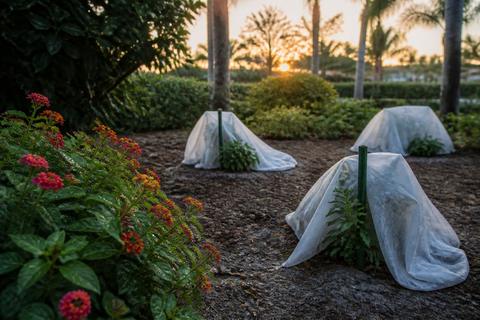
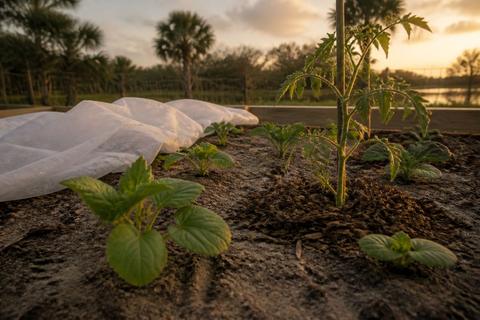
- Have frost cloth on hand before you need it. Frost cloth (spun-bond row cover) traps radiant heat from the soil around the plant; plastic sheeting doesn't, and it can trap enough sun in the morning to cook whatever it's covering.
- If you're planting in containers, use fresh potting mix, not dug-up garden soil. Garden soil compacts in pots and holds salts that stunt roots.
Best Vegetables to Plant in December
Cool-season crops that carry the season
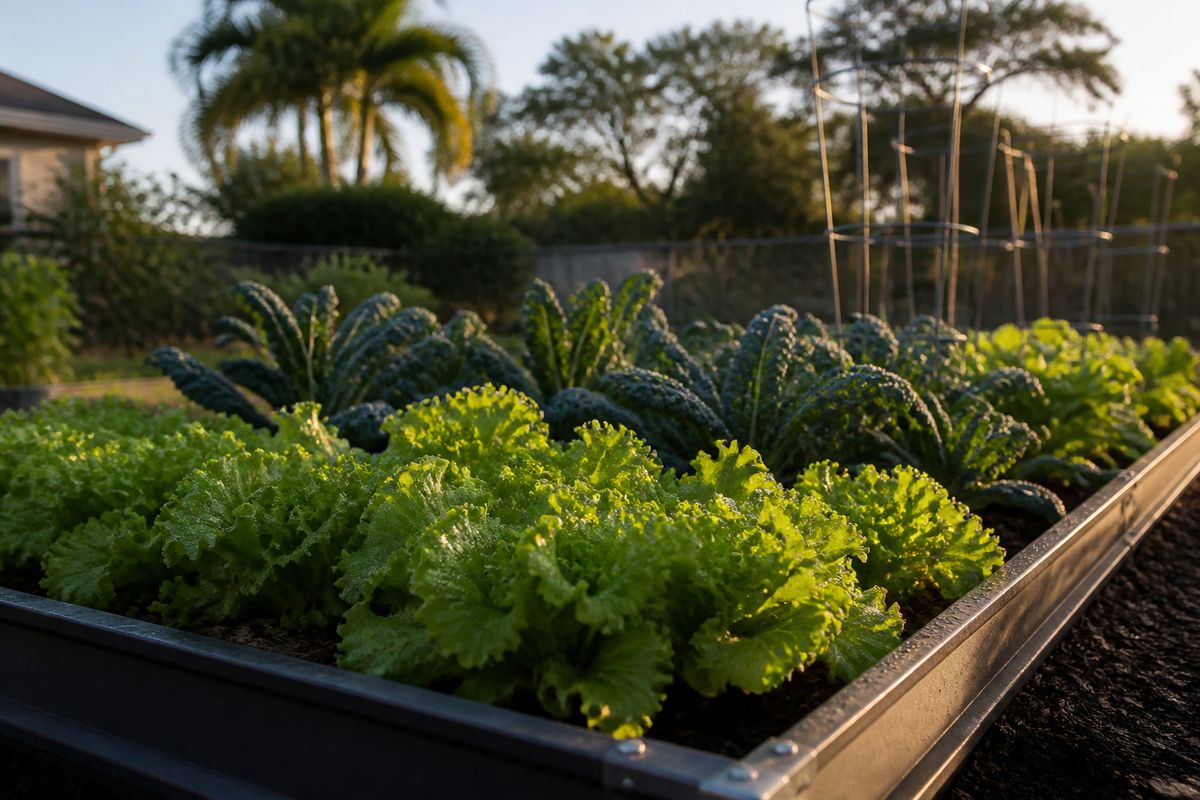
Lettuce, spinach, kale, Swiss chard, cilantro, parsley, and cole crops (broccoli, cabbage, cauliflower) are the backbone of a December Florida garden. Carrots, beets, radishes, and onions go in now too, while the soil is cool enough that roots size up instead of the plant bolting straight to flower.
- Plant lettuce in rows or containers and keep the soil consistently moist; a heat-tolerant variety buys you a few extra weeks if a warm spell hits in February.
- Sow spinach and kale where you can control birds and caterpillars, and thin seedlings early so the survivors have room.
- Put in onion sets and herb transplants like parsley and cilantro, which you can cut from repeatedly instead of harvesting once.
Fast greens for containers and small beds
Arugula, mustard greens, baby kale, loose-leaf lettuce mixes, and radish greens are worth growing in a small space because they're ready in three to five weeks, not months.
- Sow arugula or a baby-greens mix directly in a shallow, wide container.
- Keep the top half-inch of soil moist until germination, usually five to seven days in winter temperatures.
- Cut leaves "cut-and-come-again" style, an inch or two above the crown, and the plant will push new growth for another two or three harvests.
- Stagger a new sowing every 10-14 days so you're not stuck with one giant harvest and then nothing.
Roots and alliums
Carrots, beets, radishes, onions, and garlic all size up better in cool soil than in Florida's summer heat, which is why December is prime time for them.
- Loosen the soil at least 8-10 inches deep before sowing carrots; compacted or rocky soil is the main reason carrots come out forked or stubby.
- Keep beet and radish rows weeded, since young roots lose the moisture and nutrient competition fast.
- Press onion sets firmly into the soil so they don't heave up as the bed settles.
- Mulch lightly and water based on how dry the soil actually feels, not a fixed schedule, since Florida sand can dry out in a day even in December.
What to Plant in January
Succession planting
January is for keeping the harvest going, not starting from scratch. If your December lettuce bolted early, that's useful information, switch to a shorter-cycle variety or move the next planting into afternoon shade.
- Sow another round of lettuce and spinach timed to mature as the December planting finishes.
- Plant carrots and radishes in narrower rows so thinning and watering stay manageable.
- Keep cilantro and parsley going with frequent light harvests rather than one big cut.
Transplants vs. direct seeding
Direct seeding is fine for most of Florida's winter crops, but transplants reduce risk when the bed isn't quite ready or a cold night is forecast right after planting.
- Direct seed arugula, radishes, and most root crops where you can keep moisture steady.
- Use transplants instead of seed for lettuce and kale if a freeze is in the forecast within the first week or two.
- Harden off transplants outdoors for a few days before they go in the ground, then water in well.
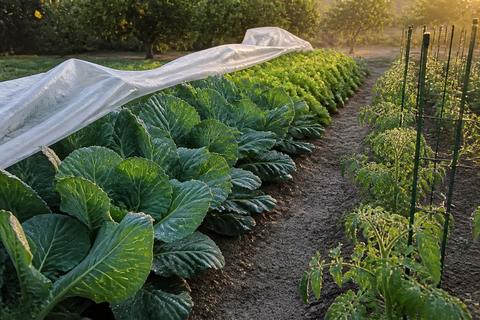
- Cover vulnerable seedlings with row cover on cold nights and pull it back off in the morning so they don't overheat.
Starting a spring garden indoors
January is when North and Central Florida gardeners should start tomato, pepper, and eggplant seed indoors, because these are warm-season crops that can't go in the ground until the freeze risk has passed (usually March in North Florida, February in Central Florida per UF/IFAS's regional calendars).
- Start seed indoors under bright light, keeping the mix moist but not soggy.
- Pot tomatoes and peppers individually so you're not disturbing roots when you separate them later.
- Label everything with date and variety, since tomato and pepper seedlings look nearly identical at this stage.
- Begin hardening plants off outdoors gradually over the two to three weeks before your planting date.
What to Plant in February
Getting ready for warm-season crops
February is the hinge month. Cool-season crops are still going, but it's also time to prep beds for tomatoes, peppers, and other warm-season vegetables, especially in Central and South Florida where the last frost is close or already past.
- Work compost or aged manure into beds that will go warm-season next.
- Set up drip line or soaker hose now, before plants are in the ground and watering becomes urgent.
- Keep warm-season seedlings indoors a bit longer if nights are still dipping into the 30s or 40s.
- Pick a planting spot with full sun and some wind shelter for the earliest warm-season transplants.
Herbs, peppers, and tomatoes
South and Central Florida gardeners can transplant peppers and tomatoes in February if nighttime lows have stabilized above the mid-50s; North Florida gardeners should generally wait until March, per UF/IFAS's North Florida gardening calendar.
- Transplant when nights are reliably warm enough for growth, not just survivable, cold soil stalls root development even if the plant doesn't die.
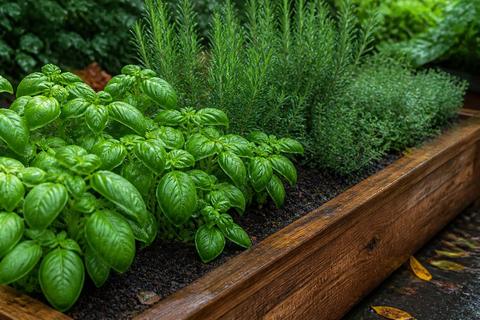
- Plant basil in full sun with well-draining soil; it sulks and yellows in cold, wet soil.
- Mulch after planting to hold moisture and cut down on soil splashing onto lower leaves, which spreads fungal disease.
- Keep frost cloth ready. A late cold snap in February can still damage tomatoes and peppers even after a warm stretch.
Last call for cool-season crops
Cool-season crops sown in February have to finish before Florida's spring heat pushes them to bolt, which is earlier than most people expect, sometimes by late March in Central Florida.
- Sow quick greens on a tighter timeline so they're harvested before the hottest weeks hit.
- Plant radishes and beets in short rows, then replace the bed with warm-season starts once they're out.
- Keep harvesting mature leaves regularly, it encourages new growth instead of the plant bolting.
- Don't start a new long-season cool-weather crop this late if a warm spell is already showing up in the forecast, it likely won't finish.
Flowers, Herbs, and Landscape Plants for Winter
Annual flowers
Pansies, snapdragons, and calendula are the reliable winter color choices in Florida because they tolerate both the humidity and the occasional cold snap that would kill a summer annual.
- Plant in full sun to light shade; more sun generally means more blooms.
- Water newly planted annuals deeply, then let the top inch of soil dry slightly before watering again.
- Add a thin layer of compost and mulch, keeping mulch off the crown of the plant.
- Deadhead spent blooms to keep the display going longer.
Herbs
Parsley and cilantro are at their best in Florida winter. Rosemary tolerates mild winters well but can be damaged in a hard freeze without cover. Basil is not cold-hardy at all and needs a sheltered spot or indoor growing until nights warm up.
- Plant parsley and cilantro where drainage is good and moisture is consistent.
- Start basil indoors if nights are still cool, then move it outside once temperatures stabilize.
- Harvest herbs lightly at first, then pick more heavily once the plant is established.
- Don't overwater, Florida's winter rain plus soggy soil is a common way to lose herbs to root rot.
Shrubs and perennials
Winter is a good planting season for landscape shrubs and perennials because roots can establish in mild weather before summer heat stresses a new planting.
- Match the plant to your actual sun and soil conditions, a full-sun plant in shade will get leggy and bloom poorly.
- Dig the hole wider than the root ball and loosen the sides so roots aren't stuck growing in a circle.
- Water deeply at planting, then keep soil evenly moist for the first few weeks while roots establish.
- Mulch around the base, keeping it a couple of inches back from the stem or trunk.
Planting Tips for Florida Winters
Protecting tender plants from cold snaps
Florida cold fronts can drop overnight lows fast, sometimes more than the forecast suggested the day before. Tender seedlings and transplants need protection once temperatures are heading toward freezing.
- Check the forecast the afternoon before a cold night and watch specifically for lows near 32°F.
- Drape frost cloth all the way to the ground around the plant so the radiant heat from the soil stays trapped.
- Skip plastic sheeting, it conducts cold to any leaf touching it and can overheat the plant once the sun comes up.
- Pull the cover off once temperatures rise in the morning so plants don't cook or stay wet all day.
Watering and mulch in cooler months
Winter doesn't mean less watering in Florida, it means different watering. Sandy soil still drains fast even when the air feels cool and humid.
- Water early in the day so foliage dries before evening, which cuts down on fungal problems.
- Use the top-inch test: water when the top inch of soil is dry, not on a fixed schedule.
- Mulch lightly to slow evaporation and buffer soil temperature swings.
- Water containers more often than in-ground beds, they dry out faster even in winter.
Staggering plantings for a longer harvest
Instead of sowing an entire bed of lettuce or radishes at once, split it into smaller batches planted 10-14 days apart. That spreads the harvest out instead of handing you a glut followed by nothing.
- Pick a crop with a known, short harvest window, like radishes or baby greens.
- Sow or transplant in 10-14 day intervals.
- Thin seedlings so each plant has enough room to size up properly.
- Keep a simple log of sowing dates so you know which batch is ready first.
Local Resources and Seasonal Plant Shopping
Finding plant sales and garden events
Garden centers typically run sales around the winter planting rush, and local plant swaps are a cheap way to try new varieties. Your county's UF/IFAS Extension office is worth following for region-specific timing, since their advice is tuned to your actual frost dates rather than a generic national calendar.
- Check garden center ads and loyalty programs for early winter specials.
- Look for plant swaps, nurseries and garden clubs often host them during the fall and winter planting rush.
- Follow your county extension office or local master gardener program for planting reminders tuned to your area.
- Shop in the morning for the best selection before popular varieties sell out.
Choosing healthy plants at the nursery
A healthy start transplants better and produces faster than a stressed one, so it's worth a minute of inspection before you buy.
- Look for firm stems and compact, upright growth rather than tall, leggy transplants.
- Check the undersides of leaves for pests before you bring anything home.
- Skip plants with spreading yellow leaves or spotting that looks fungal.
- Ask how recently the plants arrived, ones fresh off a truck may need a few days to acclimate before going in the ground.
Using a regional planting calendar
UF/IFAS publishes separate North Florida and Central Florida gardening calendars, plus a South Florida version, and using the one for your actual region matters more than following a generic national planting chart.
- Find the calendar edition (North, Central, or South Florida) that matches your county.
- Use your average frost dates as the anchor, then adjust for the specific week you're planting based on the forecast.
- Plan succession waves around harvest windows, not just calendar dates.
- Keep notes on what you planted and when it germinated and matured, it makes next year's timing much easier.
Frequently Asked Questions
What can be planted in Florida in December?
Cool-season vegetables: lettuce, spinach, kale, carrots, beets, radishes, onions, and herbs like parsley and cilantro. Winter annuals and many landscape shrubs and perennials can also go in now.
What can I plant in January in Florida?
More of the same cool-season crops as succession plantings, plus starting tomato, pepper, and eggplant seed indoors so they're ready to transplant once the frost risk passes in your region.
What should I plant in February in Florida?
Cool-season crops are still workable, but it's also the month Central and South Florida gardeners typically start transplanting tomatoes, peppers, and other warm-season vegetables. North Florida usually waits until March.
What plants should I start indoors in January for a spring garden?
Tomatoes, peppers, and eggplants. Starting them indoors in January gives them enough size to go straight into the ground once your area's frost risk has passed.
How do I know what to plant by month in Florida?
Match your planting to your region, North, Central, or South Florida, since UF/IFAS's regional gardening calendars split the state at State Road 40 and State Road 70 for exactly this reason. North Florida plants later and protects more from frost; South Florida can start warm-season crops earlier and has a longer cool season overall.