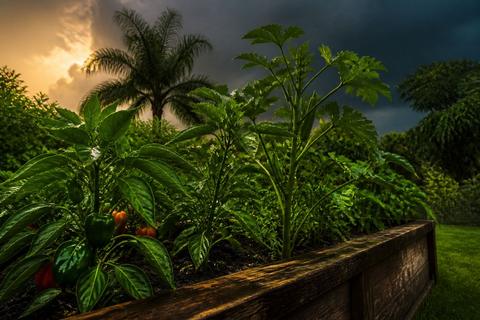
What to Plant in Florida by Season and Region
What to plant in Florida by season and region changes almost every eight weeks, because the state runs from cool winter nights in the panhandle to near-frost-free winters in the Keys. Get the timing wrong and you either lose seedlings to a January freeze or watch a summer crop bolt in the heat before it ever fruits. This guide breaks the calendar down by season and shows how north, central, and south Florida shift that timing in opposite directions.
Know Your Zone Before You Plant
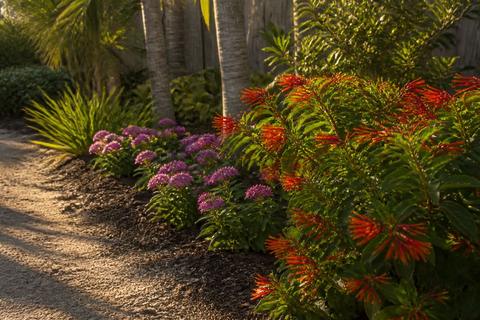
Florida isn’t one climate. The USDA Plant Hardiness Zone Map puts the panhandle around zone 8a-8b, the central peninsula in 9a-9b, and most of south Florida in 10a-10b, with the Keys reaching 11a-11b. That’s a real difference: a plant that overwinters fine in Miami can die outright in Tallahassee on the same night.
Your zone tells you frost risk, not your whole planting calendar. Two yards in the same zip code can behave differently depending on whether you’re in a low-lying frost pocket or up against a south-facing wall that holds heat. Use your zone as the starting filter, then adjust for your own yard’s microclimate.
Full Guide: Florida Gardening Zones Explained (9a, 9b, and 10)
Winter Planting (December to February)
Winter is prime time for cool-season vegetables across most of the state, and it's the one season where frost is a real planning factor, especially north of Orlando.
What to plant
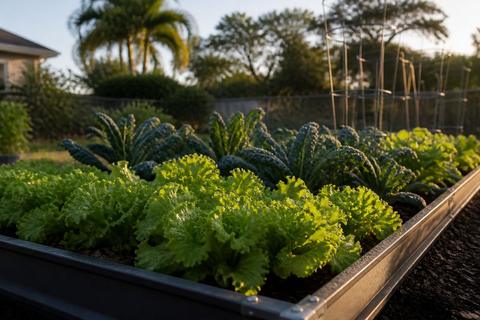
- Leafy greens (collards, kale, lettuce) and root crops (carrots, beets, radishes) handle cool nights and mature in 30-60 days depending on the crop.
- English peas and snap peas do well from a December sowing in central and south Florida.
- Cold-hardy herbs, cilantro, parsley, and dill, actually prefer this season over summer, when they bolt fast in the heat.
Protecting what you've planted
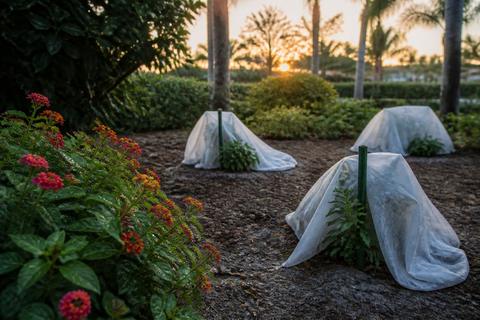
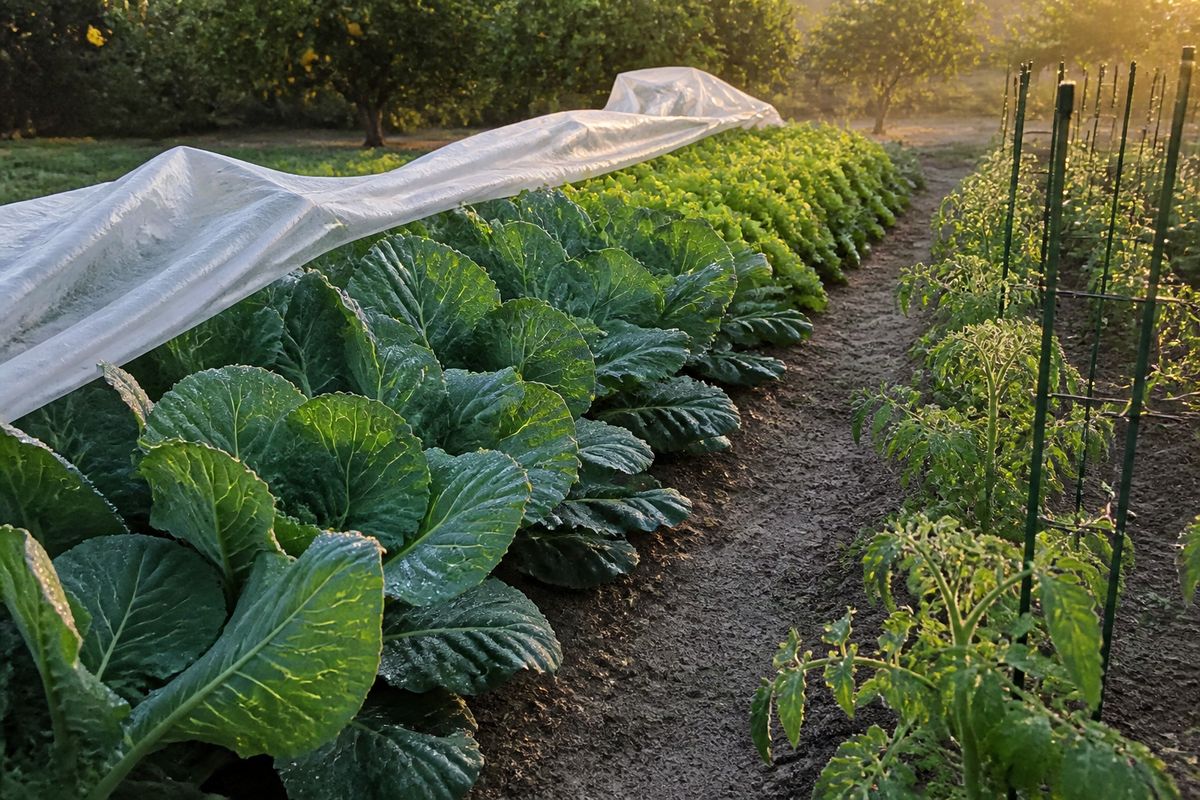
Water in the morning rather than the evening so foliage dries before nightfall, humid, wet leaves overnight invite fungal disease. Before a hard freeze, water the soil (not the leaves), since moist soil absorbs more heat during the day and radiates it back up at night, which can slightly raise the temperature around the plant overnight. For the actual freeze event, cover tender plants with frost cloth, not plastic, and make sure it reaches the ground on all sides. Plastic sheeting conducts cold and can burn foliage where it touches; frost cloth traps the ground’s radiant heat underneath it instead.
Full Guide: What to Plant in Florida in Winter (December to February)
Spring Planting (March and April)
Spring is the handoff season. Cool-season crops are on borrowed time as days warm, and warm-season plants are ready to go in the ground.
Making the switch
- Pull or finish harvesting cool-season crops before they bolt, once daytime highs push consistently past the mid-80s F, lettuce and spinach turn bitter and go to seed fast.
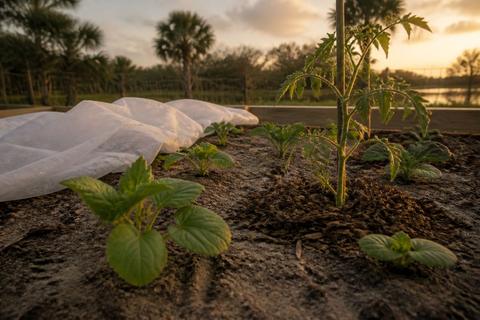
- Stagger warm-season transplants (tomatoes, peppers, squash, beans) over two to three weeks instead of planting everything on one weekend. That spreads out your harvest and hedges against a late cold snap.
- Harden off any seedlings you started indoors or bought from a greenhouse: set them outside in filtered light for a few hours a day over about a week before they go in full sun full-time.
Adjusting your routine
As temperatures climb, watering needs go up, but the fix isn’t watering more often. Deep, less frequent watering trains roots to grow down instead of staying shallow, which matters in Florida’s fast-draining sandy soil. A 2-3 inch layer of mulch around (not touching) stems slows evaporation and keeps root zones a few degrees cooler as the heat ramps up.
Full Guide: What to Plant in Florida in Spring (March and April)
Summer Planting (June to August)
Summer in Florida means heat, humidity, near-daily afternoon storms, and heavier pest pressure. Plenty of standard vegetables simply shut down or stop setting fruit once nights stay above 75 F, so the crop list narrows.
What actually performs
- Heat-tolerant crops: okra, southern peas (cowpeas), sweet potatoes, malabar spinach, and heat-set tomato varieties bred to keep fruiting when nights are warm.
- Transplant in early morning and water immediately, giving roots moisture before the afternoon heat hits.
- Stagger plantings of leafy greens and herbs in small batches so one heat wave or storm doesn’t take out your entire supply at once.
Managing pests and disease pressure
Space plants wider than the seed packet suggests, tight foliage traps humidity and that's exactly what fungal disease needs. Stay on top of weeds early since they compete for water and give pests a place to hide. Check the undersides of leaves every few days for aphids and whiteflies, both build up fast in Florida summers and are far easier to knock back with soap spray before they explode into a full infestation.
Full Guide: What to Plant in Florida in Summer (June to August)
Regional Differences: North, Central, and South Florida
Because Florida spans several USDA zones, "what to plant this month" genuinely means something different in Pensacola than it does in Homestead.
North Florida (roughly zones 8b-9a)
Frost is a real annual event, sometimes several times a winter. Build your calendar around average first and last frost dates, favor cold-hardy crops for the coldest stretch, and keep frost cloth on hand from November through February.
Central Florida (roughly zones 9b-10a)
Frost is occasional rather than routine. You can push the warm-season planting window a few weeks earlier and later than north Florida, but an unusual cold snap can still hit, so don't put your most freeze-tender plants in the ground until the risk has clearly passed.
South Florida (roughly zones 10b-11)
Frost is rare to nonexistent in most years. The bigger challenge is heat and humidity nearly year-round, plus torrential summer rain. Many warm-season crops can run close to continuously, and the planting calendar is driven more by rain and pest cycles than by cold.
Picking cold-hardy citrus by region
If you're north of the citrus belt or in a frost-prone yard, satsuma mandarins and kumquats tolerate cold better than sweet oranges or grapefruit. Plant citrus on the south or southeast side of a house where a wall blocks north wind and radiates stored heat back at the tree on freeze nights.
Full Guide: What Grows in North, Central, and South Florida
Growing Herbs Year-Round
Herbs are one of the more forgiving categories in Florida gardening because you can rotate varieties by season instead of fighting the climate with one plant list.
Building a rotation
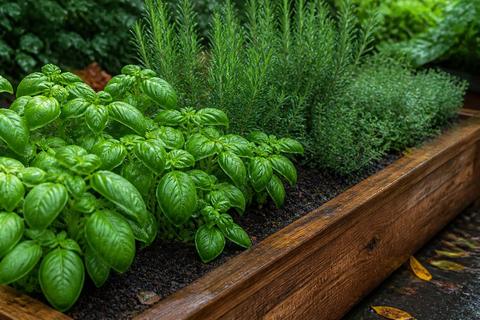
- Heat-lovers, basil, rosemary, oregano, thyme, hold up through summer and can stay in the ground nearly year-round in central and south Florida.
- Cool-season herbs, cilantro, parsley, dill, do best planted in fall and winter; they bolt quickly once summer heat sets in.
- Give herbs at least 6 hours of direct sun; in peak summer, afternoon shade prevents wilting on the most heat-sensitive types.
Avoiding the two most common herb failures
Overwatering kills more Florida herbs than drought does. Water deeply, then let the top inch of soil dry before watering again, sandy soil drains fast, but constantly wet roots rot just as fast in the heat. For cold protection, keep the most frost-tender herbs in containers you can move under cover during a hard freeze, and use frost cloth (down to the ground) rather than plastic on anything left in the ground. Finally, harvest regularly rather than letting herbs get leggy: frequent cutting keeps plants producing new growth instead of racing to flower and set seed.
Full Guide: How to Grow Herbs in Florida Year-Round
Frequently Asked Questions
What is the best month to start planting in Florida?
There isn't one answer for the whole state. For most of Florida, fall through early spring is the most forgiving stretch for vegetables and herbs, mild days, faster establishment, and no summer heat stress. If you want to grow warm-season crops like tomatoes or peppers, plant as temperatures rise in spring, but in north Florida keep watching overnight lows since a late frost can still hit into March.
Do planting times differ between North and South Florida?
Yes, significantly. North Florida gardeners should treat average frost dates as real deadlines and plan to protect or delay tender plants around them. South Florida gardeners deal with frost rarely if at all, so the calendar shifts toward managing heat, humidity, and pest pressure through a much longer warm season.
Can I grow herbs in Florida all year?
Yes, if you rotate varieties with the seasons instead of trying to grow the same herbs in July that you grew in January. Keep heat-tolerant herbs going through summer, switch to cool-season herbs like cilantro and parsley for fall and winter, protect tender potted herbs during freezes, and harvest often so plants keep putting out new growth.