What to Plant in Florida in Spring (March and April)
What to plant in Florida in spring comes down to one fact: March and April are not the same garden. Early March in North Florida can still drop into the 30s overnight, while South Florida is already well past its main vegetable planting window. Get the region and the soil temperature right and this is an easy season. Get it wrong and you'll replant beans twice.
Florida's Three Springs
North, Central, and South Florida are on different clocks
Florida spans USDA hardiness zones from roughly 8b in the Panhandle to 11a/11b in the Miami area and the Keys, and spring planting timing shifts by weeks between them, not days.
- North Florida (Panhandle and Jacksonville area, zones 8b-9a): plant warm-season crops like beans, tomatoes, squash, and corn early in March, but keep frost cloth on hand, since a late cold snap can still hit this region in March, per the UF/IFAS North Florida Gardening Calendar.
- Central Florida (Orlando to Tampa, zones roughly 9b-10a): last frost is usually behind you by early-to-mid March, so you can plant warm-season crops with less cover-and-uncover fuss.
- South Florida (Fort Myers to Miami and the Keys, zones roughly 10a-11b): this isn't really spring planting at all. South Florida's cool-season crops go in during fall and winter, and by March you're often already harvesting or wrapping up tomatoes before summer heat and rain shut things down.
If you don't know your zone, check your county's frost history rather than guessing from the calendar. A backyard two miles inland can run several degrees colder than one near the coast.
Let soil temperature make the call, not the date on the wall
A sunny 80°F afternoon in early March doesn't mean the soil is ready. Beans and squash seed will rot in soil that's still cold and wet from a February front.
- Push a soil thermometer 2-3 inches into the bed, mid-morning, before you plant.
- Bean, squash, and cucumber seed germinate reliably once soil holds around 65°F and up; below that, expect slow, patchy germination or rot.
- Tomato and pepper transplants tolerate cooler soil than seed does, which is why most Florida gardeners set those out as transplants instead of direct-seeding.
What to Plant in March
Warm-season vegetables to start early in the month
In North and Central Florida, get beans, squash, cucumbers, and corn in the ground early in March so they mature before the worst of summer humidity and pest pressure arrives. Keep frost cloth ready for North Florida through the first half of the month.
- Bush beans and pole beans: direct-seed once soil is workable; beans dislike being transplanted, so don't start them indoors.
- Summer squash and cucumbers: direct-seed in full sun; give squash 3-4 feet between hills.
- Sweet corn: plant in blocks of at least 4 rows, not a single long row, so wind can pollinate the ears.
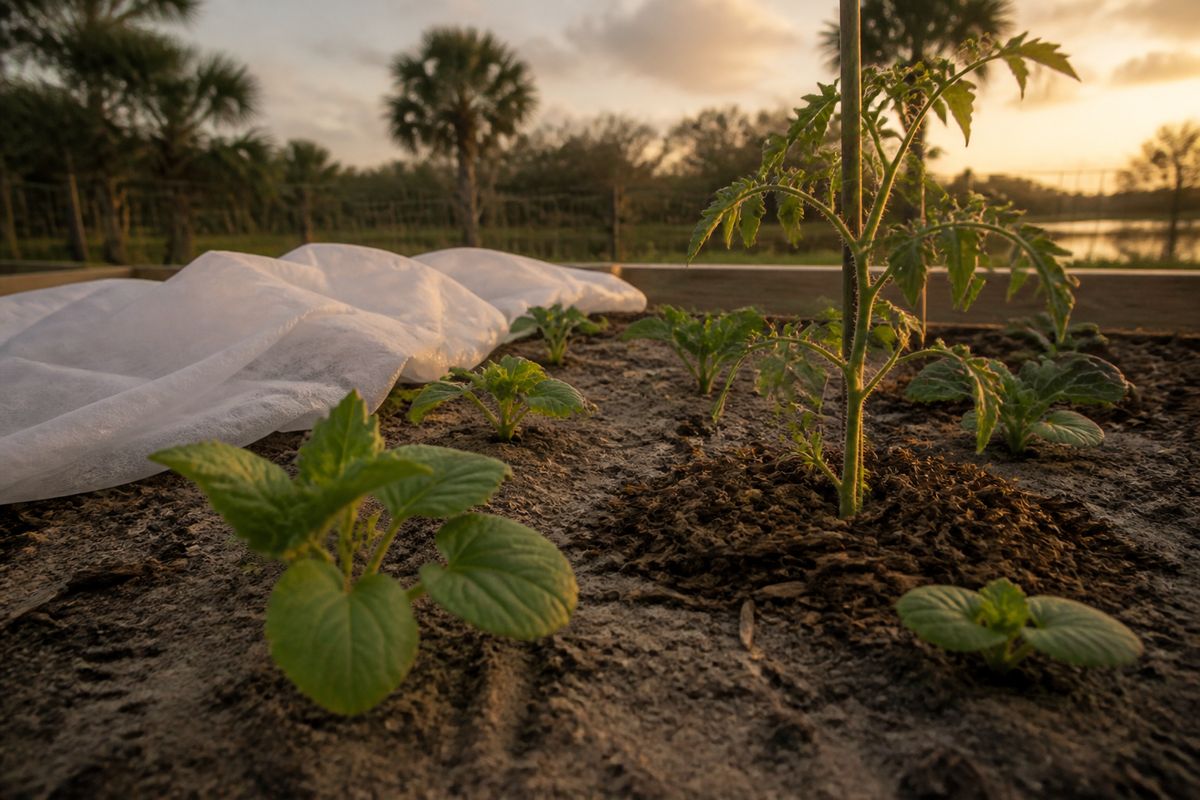
- Tomatoes: set out transplants rather than seed. Bury the stem up to the first set of leaves for a stronger root system, then mulch.
Fast greens and roots to fill the gap
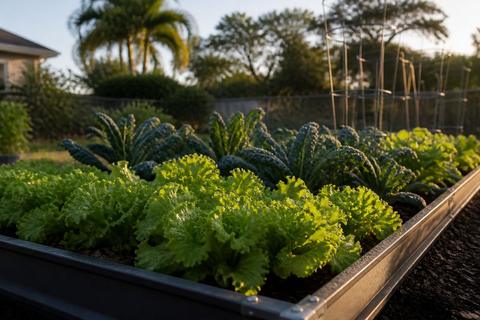
Cool-season greens are on borrowed time by March, but there's still a window, especially in North Florida, to get a last round in before bolting starts.
- Lettuce, arugula, and mustard greens: sow in small batches every 2-3 weeks so you're not stuck with one big harvest all at once.
- Radishes: fast enough (about 25-30 days) to slot in before it gets too hot for them.
- Carrots: work compost 8-10 inches deep into sandy soil first, or you'll get short, forked roots. Keep the bed evenly moist; sandy soil dries out in a day during a windy March week.
Herbs and flowers that handle Florida's spring humidity
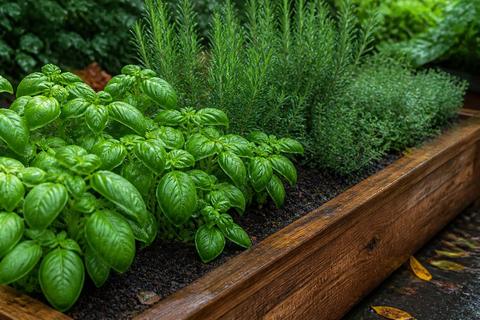
- Basil, cilantro, dill, and parsley: full sun, and don't overwater once established; soggy roots kill more herb starts than dry ones do.
- Marigolds, zinnias, and cosmos: space plants for airflow. Florida's humidity plus tight spacing is a recipe for powdery mildew on zinnias especially.
What to Plant in April
April is the real start of Florida's warm-season garden
By April, frost risk is over statewide and nighttime temperatures stay warm enough for warm-season crops to grow without stalling. This is when Florida spring gardens shift from cautious to full speed.
- Okra: doesn't mind heat at all; direct-seed once nights stay above 60°F. It'll keep producing well into summer.
- Sweet potatoes: set out slips (rooted cuttings, not seed) in April through June; they need a long warm season, so earlier is better.
- Southern peas (black-eyed peas, cowpeas): a genuinely easy, heat-tolerant crop for a bed you don't want to babysit through summer.
- Continue beans, squash, and cucumbers on a 2-3 week succession schedule so you're not harvesting everything in one two-week window and then nothing.
Wind down cool-season crops as they bolt
Lettuce and other greens will start to taste bitter and send up a flower stalk once April heat sets in. That's not a mistake, it's bolting, and it means the plant is done. Pull it and replant the space with something warm-season rather than fighting it.
Making Florida's Sandy Soil Work For You
Most of Florida's native soil is sand, which drains fast and holds almost no nutrients on its own. Two things fix most of the problems this causes:
- Work 2-3 inches of compost into the top 6-8 inches of soil before planting each season, not just once a year.
- Mulch immediately after planting or transplanting. Pine straw, shredded leaves, or bark all work. Bare sand in Florida sun can heat up considerably between morning and afternoon at the surface, which stresses new roots.
Water deeply but less often once plants are established. Frequent shallow watering trains roots to stay near the surface, where they dry out fastest.
Frost protection that actually works in North Florida
If a cold front is forecast in March, don't wait until the evening of to act.
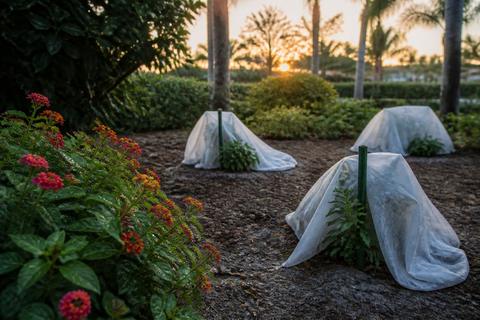
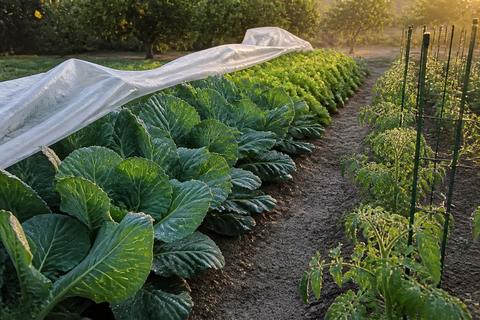
- Use frost cloth or an old bedsheet draped to the ground, not plastic sheeting touching the leaves; plastic conducts cold and can burn foliage it touches.
- Water the soil (not the leaves) the afternoon before a freeze; moist soil holds heat better overnight than dry soil.
- Pull the cover off once temperatures climb back above freezing the next morning, or plants can overheat and get scalded under cover on a sunny day.
Common Spring Planting Mistakes in Florida
- Planting warm-season seed too early. If seed rots instead of sprouting, the soil was too cold and wet, not the seed's fault. Wait it out or switch to a transplant.
- Crowding plants in humid weather. Good airflow matters more in Florida than in drier climates; tight spacing plus humidity is how fungal disease gets started.
- Watering overhead in the evening. Wet foliage overnight in warm, humid air is exactly what fungal leaf spot and blight need. Water at the base, in the morning, when possible.
- Treating "spring" as one statewide date. A planting guide written for North Florida can actively work against you in South Florida, and the reverse is just as true.
Frequently Asked Questions
What are the best things to plant in March in Florida?
Beans, squash, cucumbers, and corn direct-seeded, plus tomato transplants, are solid choices for North and Central Florida in March. Keep frost cloth on hand in North Florida through mid-March. South Florida is generally past its main vegetable planting window by March and heading into its off-season.
Is April too late to plant vegetables in Florida?
No. April is arguably the better month for direct-seeding heat-tolerant crops like okra and southern peas, and it's prime time for sweet potato slips. It's too late for most cool-season greens, which will bolt in the rising heat.
What should I plant first in a Florida spring garden?
Start with whatever matures fastest for your region: radishes and quick greens in North Florida while you wait out frost risk, or beans and squash directly once your soil reads consistently above 65°F.
Can I plant the same crops in North and South Florida at the same time?
Not usually. South Florida's vegetable calendar runs almost opposite to North Florida's for cool-season crops, and its warm-season window starts earlier and ends earlier too, since summer heat and rain shut down most vegetable gardening there by late spring.