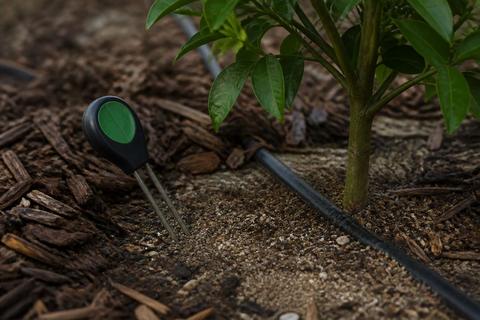
When to Plant Fruit Trees in Florida
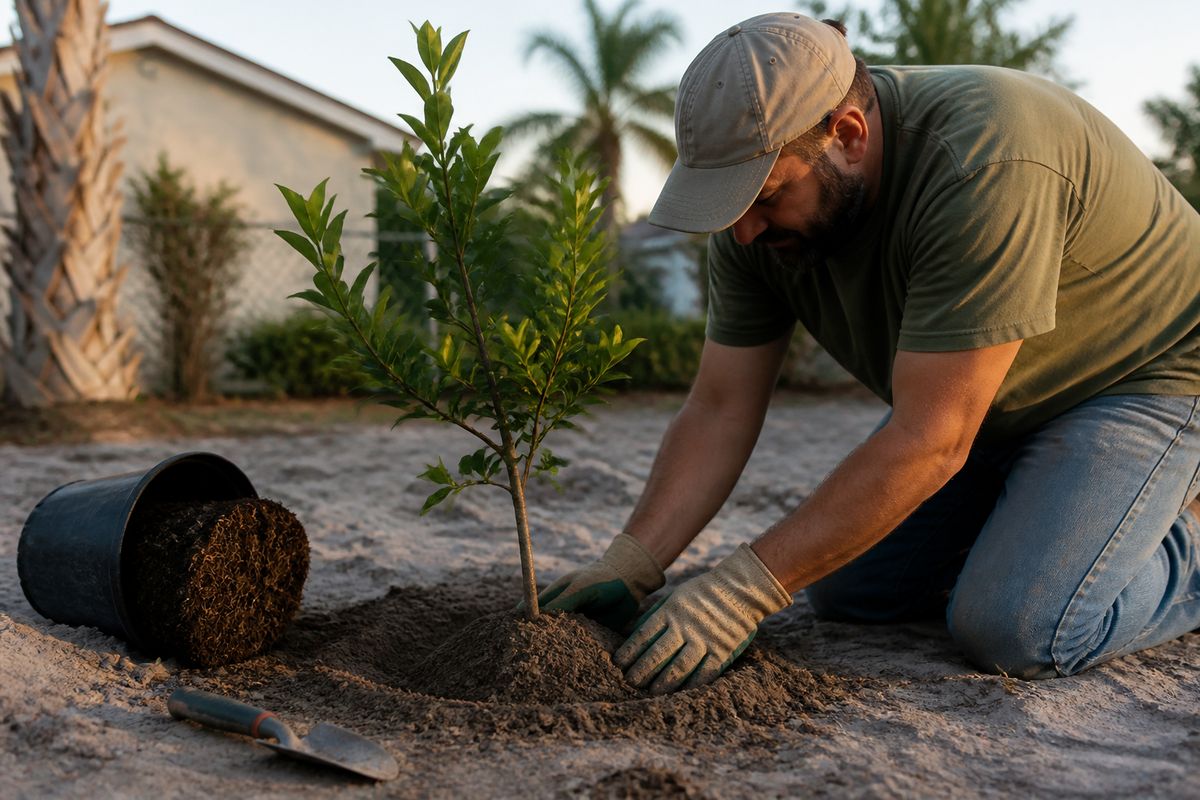
When to plant fruit trees in Florida depends on what kind of tree you're planting, not just the calendar month. Deciduous fruit like peaches and plums go in the ground while dormant, in December or January. Tropical and subtropical trees like mango, avocado, and citrus need frost danger behind you, so most of the state waits until late winter or spring. Get the type wrong and a tree that should have thrived spends its first year fighting the weather instead of growing roots.
For more help, see our How to Grow Fruit Trees in Florida guide.
Florida's planting window and why timing matters
Deciduous fruit trees: plant while dormant, December to January
Peaches, plums, and other deciduous fruit are usually sold bare-root or in containers as dormant nursery stock, and the standard recommendation is to get them in the ground in December or January, while dormant, so roots can develop before spring's warm, dry stretch pushes new top growth. Planting dormant stock in winter, rather than waiting for a leafed-out tree in spring, gives the root system a head start with almost no competing demand from the canopy.
- Buy deciduous fruit trees as dormant bare-root or container stock in December or January, not after they've leafed out.
- Get them in the ground promptly. Roots that sit exposed or bagged for weeks lose vigor before they ever touch soil.
- Water in well at planting, then let the dormant tree sit through winter with only occasional watering until new growth starts.
Tropical and subtropical trees: wait until frost danger passes
Mango, avocado, banana, lychee, and citrus are not frost-dormant the way peaches are, so a hard freeze right after planting can kill a young tree outright. Plant these once winter's worst cold has passed for your area. In much of the state that means late winter into spring; some coastal and South Florida sites can go earlier because they see fewer damaging freezes.
- Check your area's typical last-frost timing before you commit to a planting date for citrus, mango, or avocado.
- If you plant in fall or winter anyway, budget for active frost protection through the first cold season.
- Where summer rain is reliable, an early-summer planting (once the wet season starts) can also work for tropicals, since regular rain reduces how much you have to hand-water.
Why cooler weather still helps roots settle before heat returns
Whichever type of tree you're planting, cooler air means less water loss through the leaves while new roots are still regrowing the fine root hairs lost in digging and transplanting. Florida's sandy soils drain fast, and a newly dug root ball dries out quicker in July heat than in a mild February week. That's a separate issue from dormancy or frost risk, but it's the reason even tropical growers aim for the milder edge of their planting window instead of the middle of summer.
- Where your planting window allows a choice, favor the milder weeks over a heat-wave stretch.
- Keep the planting site evenly moist for the first few weeks, not soaked.
- If heat spikes right after you plant, increase watering frequency rather than volume per session.
Choosing the best days to plant fruit trees
Plant after rain, before a calm stretch
Pick a day when the soil is moist but not muddy, with a calm forecast for the days right after. After rain or irrigation, Florida's sandy soil firms up enough to work while still holding moisture around the root ball. A calm forecast means no expected frost, no heat spike, and no high wind.
- Choose a day 12 to 24 hours after a soaking rain, or after irrigation, once the surface is no longer puddled.
- Check the next 3 to 5 days for mild highs and low wind before you commit to the date.
- Dig and plant quickly so roots don't dry out while you're working.
Skip heat waves, cold snaps, and windy fronts
Heat waves increase water loss from the leaves, which can drain a root ball before new roots have formed. Cold snaps stress tender new transplants, especially citrus and other subtropical fruit that aren't frost-dormant. Wind dries the soil surface and rocks a newly staked tree before its roots have anchored.
- Skip a day with a forecast heat spike. Wait for temperatures to settle back down.
- Don't plant right before a hard freeze. Wait until the cold breaks and conditions stabilize.
- Skip windy days so the root zone stays undisturbed for at least the first week.
Use soil moisture, not the calendar alone, to pick the day
Florida weather can flip from dry to soaked within a week, so soil moisture is a better trigger than a date on the calendar. You want soil that shapes easily and drains, not ground that's compacted or waterlogged. Squeeze a handful: if it forms a loose ball that crumbles apart, it's close to ready. If it smears like clay or stays muddy, wait.
- Push a spade into the planting area. Note how easily it goes in and whether water pools in the hole.
- If the ground is muddy, postpone, or improve drainage first with a raised bed or amended backfill.
- If the ground is bone dry, irrigate the site the day before so the root ball meets moist soil at planting.
Pick the right fruit tree for your Florida region
Cold-tolerant choices for North Florida (roughly zone 8b-9a)
North Florida gets real winter cold, including nights well below freezing most years, so what you plant has to survive that without constant losses. For citrus, cold-hardy types like satsuma mandarins and kumquats hold up far better than sweet oranges or grapefruit. Deciduous fruit does well here too, since North Florida actually racks up enough chill hours for many peach and plum varieties.
- For citrus, choose satsuma mandarins or kumquats over sweet oranges or grapefruit.
- Plant on the south or southeast side of a building, where the wall radiates stored heat and blocks north wind on freeze nights.
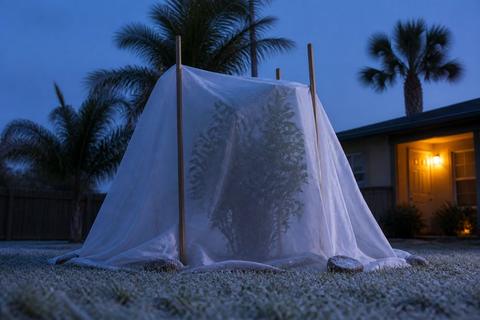
- Protect young trees during freeze events with frost cloth draped to the ground, not plastic sheeting, which conducts cold straight through to the leaves it touches.
Reliable subtropical options for Central Florida
Central Florida still sees occasional damaging freezes, and summer brings an intense dry-down on sandy sites, so match your tree to both risks. Full sun (aim for at least 8 hours) and a mild, stable planting window matter more here than almost anywhere else in the state, since the region swings between the two extremes more than the coasts do.
- Plant in full sun and avoid low spots where cold air pools on clear, calm nights.
- Choose varieties documented to fruit reliably in Central Florida's chill-hour range rather than assuming a Georgia or Carolina variety will perform the same way here.
- Plan on active frost protection for young trees through at least their first one or two winters.
Heat-loving trees that perform well in South Florida
South Florida's main challenge isn't winter cold, it's heat, humidity, and sandy soil that dries out fast. With fewer damaging freezes, you can plant tropicals like mango, avocado, and lychee over a longer window than farther north, but you still want to avoid the hottest, most humid stretch of summer for the actual planting day.
- Plant in full sun on a site with drainage. Avoid areas that stay wet after rain.
- Use mulch and consistent watering to keep the root zone from drying out during hot spells.
- Keep staking in place only until the root ball has anchored, then loosen it so the trunk can flex and strengthen.
Prepare the site before planting
Check sun exposure and drainage
Poor light and standing water are two of the fastest ways to lose a fruit tree. Florida's sandy soil usually drains well, but low areas, compacted ground, and construction fill can trap water. Pick a spot with strong sun that drains so the planting hole doesn't stay wet.
- Choose a location with full sun; south or southeast exposure also helps on cold nights.
- Dig a test hole and fill it with water. If it takes more than a couple of hours to drain, adjust the site or build a raised bed instead.
- Avoid spots under large shade trees or where wind funnels between structures.
Test soil pH and improve poor soil gently
Florida soils vary widely, from coastal sands to inland fill dirt, so guessing at amendments wastes money and can even hurt the tree. Test your soil with an at-home kit or through your county extension office, then adjust in a targeted way instead of dumping compost and fertilizer into every hole.
- Test soil pH before planting and aim for the range recommended for your specific fruit species.
- If soil is sandy, blend compost gently into the backfill. Don't build a rich "pot" of amended soil that the roots never grow out of.
- If drainage is poor, prioritize a raised planting mound and coarse organic material over heavy soil amendments.
Plan spacing for mature canopy and airflow
Crowding trees forces root and canopy competition, and it traps humidity that worsens fungal disease, a real risk given how humid Florida gets in summer. Spacing also keeps future pruning practical, which matters for fruit production later.
- Check the mature canopy width on the plant tag or from the nursery, then space trees accordingly.
- Leave room to walk around the trunk and reach major branches without stepping on surface roots.
- Don't plant where mature limbs will hit fences, power lines, or walls that block airflow.
Planting method that helps young trees establish
Set the root ball at the correct height
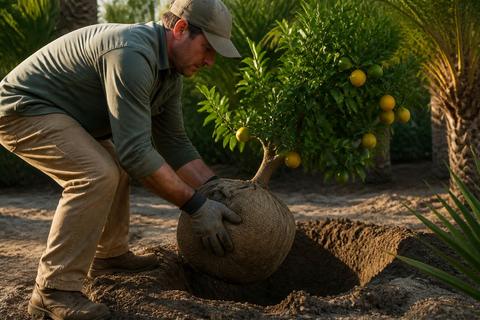
The most common planting mistake is getting the depth wrong. Bury the graft union or trunk flare and the tree can rot at the base or fail to establish. Plant too high and the exposed roots dry out fast in Florida's hot, windy afternoons. Use the container's soil line as your guide and match planting depth to where the root flare sits.
- Remove the tree from its pot and locate the trunk flare or graft union before you dig.
- Dig the hole to the same depth as the root ball, then double-check the height before backfilling.
- Keep the top of the root ball level with the surrounding soil, with the trunk flare sitting just above the soil line.
Backfill with native soil and water thoroughly
Backfill quality determines how well roots make contact with soil and get oxygen. Use native soil lightly blended with compost, not packed into a dense brick. After planting, water deeply to settle the soil around the roots and collapse air pockets, since this step is often where a new tree either stabilizes or keeps struggling.
- Backfill halfway, water to settle the soil, then finish backfilling.
- Firm the soil lightly with your foot. Don't compact it hard.
- Water again until the root zone is thoroughly moistened, then make sure standing water isn't collecting at the base.
Mulch correctly without burying the trunk
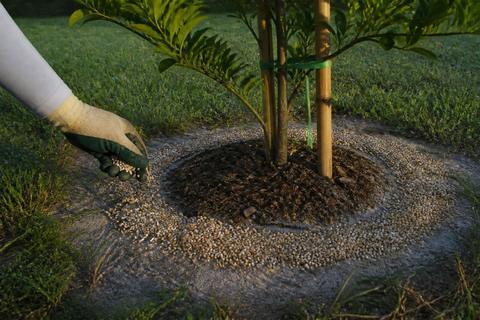
Mulch buffers heat and holds moisture, both useful in Florida's sun, but a buried trunk or matted mulch invites rot. Keep a mulch ring around the root zone while pulling it back from the trunk itself.
- Apply 2 to 4 inches of mulch, keeping it 6 to 12 inches away from the trunk.
- Use a coarse organic mulch that stays airy rather than a fine material that mats and compacts.
- Refresh mulch after heavy rain washes it thin, so roots don't end up exposed.
Aftercare during the first year
Watering schedule for new fruit trees
Florida's sandy soil makes light, frequent sprinkling ineffective, since water drains past the root zone before it does much good. The first month is when consistent moisture matters most for regrowing roots. After that, taper the frequency while still soaking deep enough to reach the root zone, especially through summer.
- For the first month, water deeply 2 to 3 times a week, soaking the full root zone each time.
- During hot, dry stretches, bump up to 3 times a week; back off if you get a soaking rain.
- After the first month, taper to weekly, then adjust based on rainfall and how fast the soil dries 2 to 4 inches down.
Fertilizing only after new growth starts
A newly planted tree is putting its energy into rebuilding roots, and fertilizer applied too early can burn tender new roots and push weak top growth the roots can't yet support. Wait until you see new leaves or shoots, then feed lightly with a balanced fruit tree fertilizer at the label rate.
- Don't fertilize at planting.
- Start feeding only once new leaves and shoots appear, following the product's label rate.
- Water after fertilizing so nutrients move into the root zone instead of sitting on the surface.
Pruning, staking, and frost protection basics
Pruning and staking should support recovery, not add stress on top of transplant shock. Staking helps on windy sites while roots are still anchoring, but keep ties loose enough that they don't girdle the trunk. Frost protection matters most for young, tender trees during their first season or two of cold weather.
- At planting, prune only broken or dead wood. Leave healthy wood alone until the tree is actively growing.
- Stake only if the tree wobbles in wind, and loosen or remove the stake as the trunk firms up.
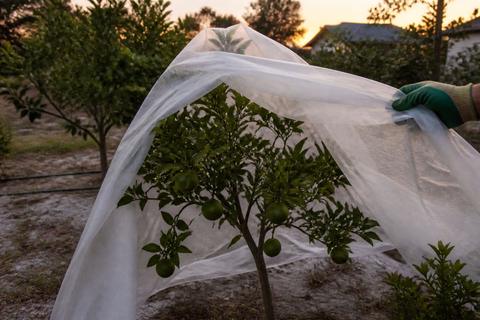
- UF/IFAS Extension recommends draping frost cloth all the way to the ground on young or tender trees ahead of a freeze, using cloth rather than plastic, and removing the cover as soon as the cold breaks so the tree doesn't overheat underneath it.
Common mistakes that reduce survival
Planting too deep or in soggy ground
Planting too deep buries the trunk flare and invites rot, and soggy ground suffocates roots by pushing out oxygen. Florida's quick weather swings can turn a slightly damp site into a waterlogged hole fast, especially somewhere low or compacted. A tree planted wrong can look fine for weeks and then decline all at once.
- Keep the trunk flare above soil level, matching depth to the root ball height.
- Avoid low spots where water puddles. Switch to a raised planting area instead.
- Fix poor drainage before planting. Digging it out after the tree is in the ground risks root injury.
Choosing a variety that doesn't match local chill hours
Chill hours are the hours a deciduous tree spends below about 45°F during dormancy, and different varieties need very different totals to bloom and set fruit reliably, anywhere from roughly 100 to over 1,000 hours depending on the cultivar, according to UF/IFAS Gardening Solutions. Florida's mild winters mean most of the state needs low-chill varieties bred to need only around 100 to 525 hours. Plant a high-chill northern variety here and the tree will grow, but it can go years without setting a real crop.
- Match the variety's stated chill requirement to your county's typical winter, not to what grows well in Georgia or the Carolinas.
- As a concrete example, the 'Flordaprince' peach was bred specifically for Florida with a chill requirement of about 150 hours, which is why it's one of the most widely planted low-chill peaches anywhere.
- Buy from nurseries that list chill-hour requirements and Florida region suitability, and match that to your county.
Overwatering, overfertilizing, and ignoring pests
Too much water is as damaging as too little, especially right after planting. Overfertilizing can cause salt buildup and root burn, and it tends to push weak, pest-prone growth. In Florida's humidity, pest and disease problems can show up quickly, particularly on a tree that's already stressed.
- Water deeply, then let the top few inches dry slightly before watering again.
- Fertilize only after new growth starts, and stick to label rates.
- Check leaves, leaf undersides, and new shoots regularly for pests, and deal with problems early rather than waiting for heavy damage.
Frequently Asked Questions
What month is best for planting fruit trees in Florida?
It depends on the tree. Deciduous fruit like peaches and plums go in the ground dormant, in December or January, so roots can develop before spring heat arrives. Tropical and subtropical trees like mango, avocado, and citrus should wait until the worst frost risk has passed, which for most of the state means late winter into spring. North Florida generally needs to lean toward the earlier, colder-hardy end of that range; South Florida has more flexibility since it sees fewer damaging freezes.
What are the best days to plant fruit trees?
Pick a mild day after a soaking rain or irrigation, when the soil is moist but not waterlogged, with no extreme heat, frost, or strong wind expected for several days after. That combination gives the root ball enough moisture without drowning it, and it reduces stress on the tree while new roots regrow. If the forecast shows a sudden temperature swing, wait for the next calm window instead of planting into unstable weather.
Can I plant fruit trees in summer in Florida?
Yes, but it's harder on the tree and on you. Summer planting means much more careful watering, mulching, and shade protection, since heat dries out the root zone fast in sandy soil. If you have a choice, plant during a milder stretch so roots can establish before peak summer heat hits; if you must plant in summer, be ready to water more often, not just more per session.
Does North Florida have a different planting time than South Florida?
Yes. North Florida benefits from earlier, cold-hardy plantings and needs real frost protection some winters. South Florida can often plant tropicals over a longer window because damaging freezes are rare there, though heat waves and windy fronts can still make a particular day a bad choice. Match your tree choice, not just your date, to your region's chill hours and frost risk.
How do I know if the soil is ready to plant?
The soil should be workable, moist, and draining well. If it stays muddy or compacted after you dig a test hole, wait for it to dry out or prepare a raised, better-drained planting area instead. Florida soil can switch from dry to soaked within a week after rain, so go by how the ground feels when you dig rather than by how many days it's been since the last storm. Good planting soil forms a loose ball in your hand and then crumbles, without smearing or staying wet.