Central Florida Vegetable Planting Calendar
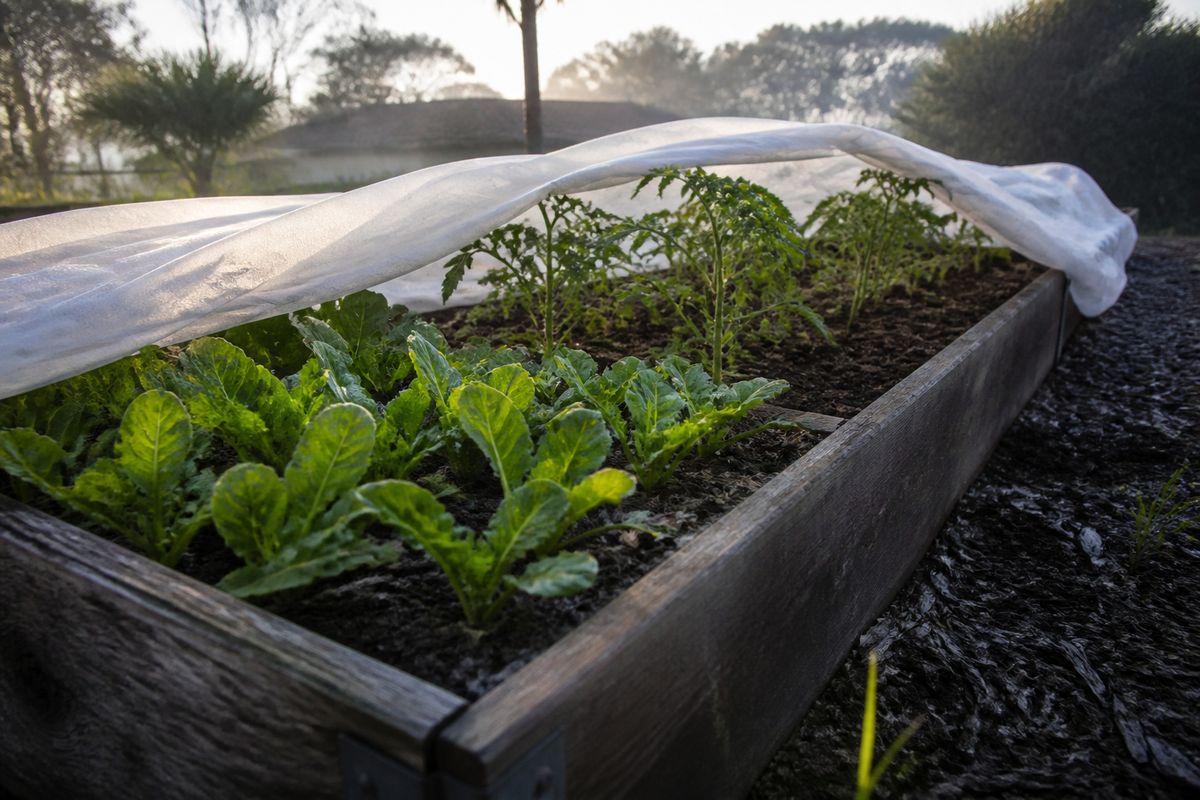
A Central Florida vegetable planting calendar only works if you stop thinking of it as fixed dates and start thinking of it as a set of windows tied to two things: frost risk in winter and heat/humidity pressure in summer. Most of Central Florida sits in USDA hardiness zone 9a to 9b, which is why northern seed-packet dates are close to useless here, and why the calendar below is built around Florida's actual two-season structure instead.
For more help, see our Florida Vegetable Gardening Guide guide.
The short version: cool-season crops go in from October through March, warm-season crops go in from March through September, and by midsummer you're managing heat and disease pressure more than you're planting new things.
How Central Florida's Growing Seasons Work
Frost windows, not frost dates
Central Florida doesn't have a single reliable last-frost date the way Ohio or Pennsylvania does. Some years the last real cold snap is early January; other years a frost sneaks in during the first week of March. Treat frost as a risk window that shrinks as you move into February and March, not a date you can circle on a calendar.
- Check your local frost history through your county extension office or historical weather data for your area, and don't put tender transplants in the ground until you're past the tail end of that window.
- When a forecast low drops toward 32°F, cover tender transplants with frost cloth that reaches all the way to the soil, not just draped over the leaves. Pull the cloth off once temperatures climb back above the mid-40s so plants don't cook underneath it.
- Humidity, not just heat, drives disease. If a stretch of muggy, still weather sets in, thin crowded plantings so leaves dry off faster after rain or morning dew.
Zone 9a/9b, not a Northern chart
Northern planting charts assume a long, genuinely cold winter and a short, mild summer. Central Florida is the opposite: winters are short and mild with occasional hard freezes, and summers are long, hot, and humid enough to shut down half of what a Northern gardener grows. If you follow a Zone 6 chart here, you'll sow fall crops too late and summer crops too early.
- Use zone 9a/9b timing as your baseline, then nudge dates earlier or later based on how fast your specific yard warms up in spring (a sunny, wind-sheltered yard warms faster than a shaded, low-lying one).
- Favor frost-hardy varieties for the earliest fall plantings, and hold warm-season transplants until nighttime lows are reliably staying above the mid-50s.
- If you're in North Florida (roughly zone 8b to 9a) rather than true Central Florida, push your cool-season sowing earlier and your warm-season transplanting later, since cold arrives sooner there than in the central peninsula.
Why month ranges beat a single fixed date
A calendar that says "plant tomatoes on March 1" breaks the first year the weather doesn't cooperate. Florida can swing from a cold snap to an 85°F week in the same month, which moves germination, flowering, and pest pressure earlier or later than any fixed date predicts.
- Use the month ranges below as planting windows, not single dates, and lean toward the early or late end based on that year's weather.
- Check progress weekly, germination rate, leaf count, and size, and re-sow on schedule if a crop stalls instead of waiting to see if it recovers.
- Keep a short log: sowing date, variety, and whether you used row cover or shade cloth. Two seasons of notes will tell you more about your yard's timing than any calendar, including this one.
Best Vegetables to Plant by Season
Cool-season crops for fall and winter
Cool-season crops grow best once daytime highs settle into the 60s and 70s and nights cool down, which in Central Florida usually means October through February. Stagger your sowing so an early cold snap or a sudden warm spell doesn't wipe out your whole planting at once.
- Leafy greens (lettuce, arugula, spinach), brassicas (broccoli, cabbage, collards), and root crops (carrots, beets) all do well once nights are consistently cooler.
- For carrots and beets, direct sow and keep the seedbed evenly moist until germination, which can take 10-14 days for carrots in cool soil; thin to final spacing once true leaves appear.
- Lettuce and other greens bolt fast once temperatures climb back into the 80s, so harvest outer leaves continuously and pull whole heads as soon as they mature rather than waiting for them to get bigger.
Warm-season crops for spring and early summer
Warm-season crops need real heat to perform, and Central Florida supplies it as spring turns into summer. Wait until frost risk has passed before transplanting, then keep moisture even so seedlings don't stall out.
- Transplant tomatoes, peppers, and eggplant once nighttime lows are reliably in the 60s.
- Direct sow beans, cucumbers, squash, and okra once soil has warmed and cold nights are behind you.
- Fertilize lightly at transplanting, then increase feeding once plants start flowering and setting fruit, since heavy early nitrogen pushes leafy growth at the expense of fruit.
Heat-tolerant crops for midsummer
Midsummer in Central Florida is a different kind of gardening. Heat above the low 90s combined with high humidity drops fruit set on tomatoes and peppers and pushes fungal disease pressure up across the board. Lean on genuinely heat-tolerant crops and give everything room to breathe.
- Okra, southern peas (cowpeas), and heat-tolerant pepper varieties keep producing through the worst of summer when tomatoes have largely stopped setting fruit.
- Pick squash and cucumber varieties bred for disease resistance, and harvest frequently, every 1-2 days during peak season, to keep plants producing instead of bottlenecking on oversized fruit.
- Don't let fruit sit on the vine "to get bigger." Picking at usable size reduces plant stress and keeps new fruit setting.
Month-by-Month Planting Calendar
January through March
This stretch is a hinge point. Cool-season crops are still producing early on, but by March you should be actively transitioning toward warm-season planting.
- January: keep harvesting greens and root crops, and if nights are still mild you can sow one more quick round of lettuce or radishes.
- February: start warm-season transplants indoors or in a protected spot, tomatoes, peppers, basil, so they're ready to go in the ground once frost risk clears.
- March: direct sow beans and cucumbers once soil has warmed, and set out squash transplants if you want an earlier harvest.
- Keep frost cloth on hand through early March; a plastic sheet traps heat during the day but does little at night, so cloth that reaches the ground is the better bet for tender transplants.
April through June
This is peak warm-season growth and where most of your summer harvest gets locked in. Watch moisture and spacing closely, Florida's afternoon downpours can flood beds fast, and the humidity that follows is exactly what fungal disease needs.
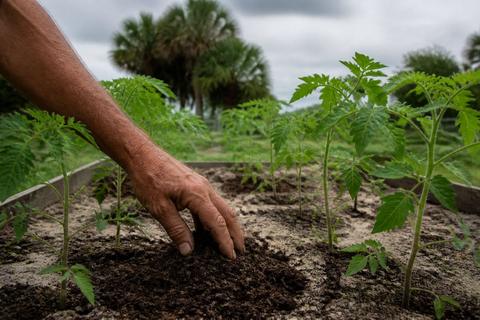
- Set out tomatoes, peppers, and eggplant in full sun, hardening off transplants over 3-5 days before they go in the ground.
- Direct sow cucumbers, squash, and beans, then thin to final spacing once seedlings are established.
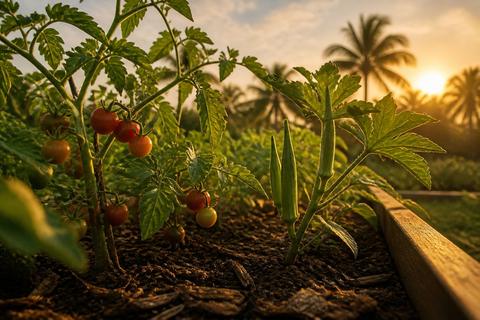
- Add okra once days are reliably hot; give it real spacing, 12-18 inches between plants, so airflow keeps foliage drier.
- Mulch now. It cuts evaporation, keeps root zones cooler, and knocks down weed competition in one move.
July through September
This is heat-management season more than planting season. What you grow here needs to tolerate humidity, keep producing under stress, and bounce back after heavy rain.
- Okra, heat-tolerant peppers, and southern peas are the reliable performers for late-summer and early-fall harvests.
- If you want cucumbers or squash through summer, pick disease-tolerant varieties and water at the base to keep foliage dry.
- Only transplant summer greens if the variety is bred for heat tolerance, and harvest young to cut down on bolting.
- Disease pressure spikes in this window. Thin plants for airflow and strip badly yellowing leaves before they spread problems to healthy foliage.
October through December
This is Central Florida's best cool-season window. Get greens and brassicas in early enough to size up before any real cold arrives, and stagger plantings to stretch the harvest.
- Sow carrots, beets, broccoli, and leafy greens as temperatures cool, keeping moisture consistent through germination.
- Transplant lettuce and brassica seedlings once they've got enough true leaves to handle outdoor conditions, and water deeply at planting.
- Stagger a second sowing of radishes and greens 2-4 weeks after the first for a continuous harvest instead of one big flush.
- Start watching frost forecasts by late November, and have cloth ready for the first genuinely cold nights.
How to Adapt the Calendar to Your Garden
Inland, coastal, and northward microclimates
Central Florida isn't one climate. Coastal wind dries leaves out faster, inland areas heat up sooner in spring, and anywhere north of true Central Florida sees cooler nights arrive earlier in fall.
- Inland gardens can plant warm-season crops slightly earlier, but they also dry out faster, so plan your irrigation schedule around that.
- Coastal gardens often get milder winter lows, but watch for wind and salt exposure if you're near the coast or a busy road.
- If you're closer to North Florida, shift everything toward the cautious side, tender transplants especially, since cold fronts reach there before they reach the central peninsula.
Raised beds, containers, and in-ground beds
Bed type changes soil temperature and drainage more than most gardeners expect. Raised beds warm up faster in spring and shed excess water during heavy rain; containers dry out fastest of all and need the most frequent attention.
- Raised beds: you can usually plant warm-season crops a week or so earlier than the calendar above, since the soil warms sooner than ground-level beds.
- In-ground beds: push timing a few days later if soil is still cool after a cold snap, and work in compost to improve drainage over time.
- Containers: check moisture daily during hot weeks and water once the top inch of mix is dry, since pots heat up and dry out far faster than beds in the ground.
Choosing varieties for Florida's heat and disease pressure
Variety selection does more work than exact timing in Florida. Heat and humidity push disease pressure up across the board, so resistant varieties are worth seeking out specifically.
- For tomatoes, look for varieties bred for resistance to early blight and fusarium wilt, both common problems in Florida gardens, and give plants full recommended spacing.
- For brassicas planted on the early or late edge of the cool season, favor heat-tolerant selections so a warm stretch doesn't force premature bolting.
- For fruit trees, chill hours matter more than most gardeners realize. 'Flordaprince' peach needs only about 150 chill hours, released by the University of Florida specifically for low-chill climates, while most Northern peach varieties need 700-1,000+ chill hours and simply never set fruit here.
Soil, Water, and Bed Setup for Better Results
Building sandy Florida soil
Florida's native sandy soil drains fast and holds almost no water on its own, which is the single biggest reason for inconsistent harvests. Improve it before you plant instead of fighting it after.
- Work compost into the top 6-10 inches of soil as a uniform blend rather than a thin surface layer.
- Add well-aged manure or leaf mold if you need more water-holding capacity, especially in beds that dry out within a day of watering.
- Get a soil test through your county extension office rather than guessing at pH; amendments are cheap, but adding the wrong one wastes a season.
Irrigation that doesn't invite disease
Overwatering and underwatering cause the same basic stress, and in humid weather, wet foliage is what actually invites fungal disease.
- Water at the base with drip irrigation or soaker hoses rather than overhead sprinklers, which keeps leaves dry and cuts disease risk substantially.
- Water deeply and less often rather than a little every day, letting the top inch or two dry out between waterings.
- After heavy rain, check for standing water. If beds stay soggy, hold off on irrigation and work on improving bed grade or adding organic matter to fix drainage long-term.
Mulching for heat and weed control
Mulch does double duty in Central Florida: it buffers soil temperature swings and starves weeds of the light and moisture they need to compete with your crops.
- Apply 2-3 inches of mulch once plants are established, keeping it pulled a few inches back from stems to avoid rot.
- Straw, shredded leaves, and pine bark all work well; avoid anything that mats down into a solid, waterlogged layer.
- During cool-season months, mulch still helps moisture retention, but watch that it isn't holding so much water that seedling roots stay oxygen-starved.
Simple Planting Plans for Common Garden Styles
Beginner backyard bed layouts
A simple layout cuts down on failure points and makes watering, harvesting, and pest checks easier. Keep the first bed small and manageable rather than ambitious.
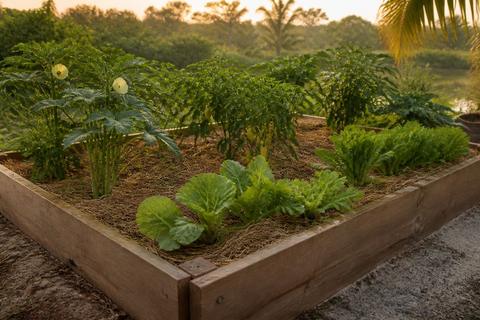
- One main bed 3-4 feet wide lets you reach the center from either side without stepping on the soil.
- Put taller crops like tomatoes at the back or north edge so they don't shade shorter plants.
- Group plants by water needs, thirsty crops near the irrigation source, drought-tolerant crops farther out, so you're not overwatering some plants to keep others alive.
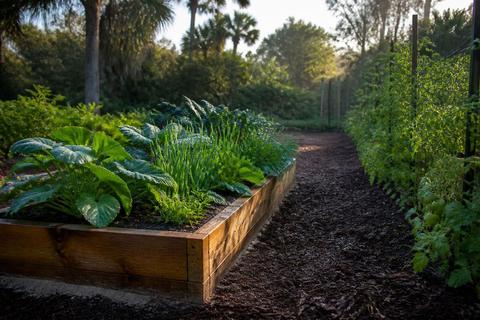
- Leave a simple path along one side. It sounds minor, but it's what actually gets weeding and thinning done regularly.
Container gardening for patios and small spaces
Containers work fine in Central Florida if you stay on top of watering and pick appropriate plants. Summer heat can dry a small pot out in a single afternoon, so daily checks aren't optional.
- Use containers with real drainage holes sized to the crop, tomatoes and peppers need at least a 5-gallon pot to hold enough moisture through a hot day.
- Use potting mix, not garden soil, which compacts and drains poorly in containers, and add compost for nutrients.
- Water once the top inch of mix is dry; if you use a saucer, empty standing water so roots aren't sitting in it.
- Add a small trellis for cucumbers or peas to save space and improve airflow around the foliage.
Square-foot and raised-bed spacing
Spacing is one of the most underrated yield factors. Crowded plants produce smaller harvests and more disease, especially in Florida's humidity, so don't squeeze in extra plants to save space.
- Follow the spacing on seed packets and plant tags rather than crowding rows closer for a bigger first-year harvest.
- Trellis vining crops to grow vertically, which keeps healthy spacing even in a small bed footprint.
- In square-foot plots, plant only what the spacing chart supports for that crop, and thin seedlings early rather than letting overcrowding become permanent.
- Check bed growth weekly and prune or thin as needed rather than waiting for visible crowding stress.
Common Mistakes to Avoid in Central Florida
Planting cool-season crops too late
Cool-season crops need real time to mature before either summer heat or an early cold snap changes the rules. Planting late usually means bolting, stunted roots, or a crop that never reaches harvest size.
- Don't wait for "perfect" weather. Plant within the fall window and stagger sowings instead of holding out for ideal conditions.
- If greens start bolting early, harvest what you can immediately and re-sow for the next cool stretch rather than trying to nurse a bolting plant along.
- If a warm spell breaks the pattern, switch to heat-tolerant crops instead of continuing to fight cool-season varieties that are already stressed.
Choosing fruit varieties that need too many chill hours
Fruit varieties bred for colder regions often never accumulate enough winter chill in Central Florida to set fruit, which means years of a healthy-looking tree that produces little or nothing.
- Choose low-chill, Florida-bred varieties for fruit trees, such as 'Flordaprince' peach at roughly 150 chill hours.
- For citrus, favor cold-tolerant selections if your area sees occasional hard freezes.
- In North Florida (roughly zone 8b to 9a), cold-hardy citrus like satsuma mandarins or kumquats hold up to freezes far better than sweet oranges, which can suffer serious damage in a hard freeze.
Ignoring pests, heavy rain, and summer disease
Florida summers bring heavy rain, fast insect life cycles, and disease that spreads quickly in humid conditions. Good planting dates don't protect you if you skip ongoing pest and disease checks.
- Set a weekly inspection habit, check the undersides of leaves and the base of stems, where early problems usually show up first.
- Water at the base, mulch to cut down soil splash onto leaves, and thin plants so foliage dries faster after rain.
- Remove heavily infected leaves as soon as you spot them rather than letting them sit in the bed.
- Use row cover during the most vulnerable early growth stages if insect pressure is heavy in your area.
Frequently Asked Questions
What planting zone is Central Florida for vegetables?
Most of Central Florida falls in USDA hardiness zone 9a or 9b, though local microclimates shift things around. Use your local frost history alongside heat and rainfall patterns to fine-tune timing rather than relying on the zone number alone.
When should I start a vegetable garden in Central Florida?
Start cool-season crops in fall as temperatures begin dropping, typically October, and plant warm-season crops after frost risk passes in late winter or early spring, typically March. The right start date depends on the specific crop and that year's weather.
What vegetables grow best in Central Florida?
Leafy greens, carrots, beets, broccoli, beans, peppers, tomatoes, squash, cucumbers, and okra all do well when planted in the right season with a variety suited to Florida's heat and humidity.
Can I garden in Central Florida year-round?
Yes, but the crop list changes with the season. Winter and early spring favor cool-weather vegetables, while summer favors heat-loving, disease-tolerant crops like okra and southern peas.
Do raised beds work well in Central Florida?
Yes. Raised beds warm up faster in spring, drain well after heavy summer rain, and make it easier to improve on sandy native soil. They're a solid choice for beginners and for anyone working with a small footprint.