How to Grow Citrus in Florida: A Homeowner's Overview
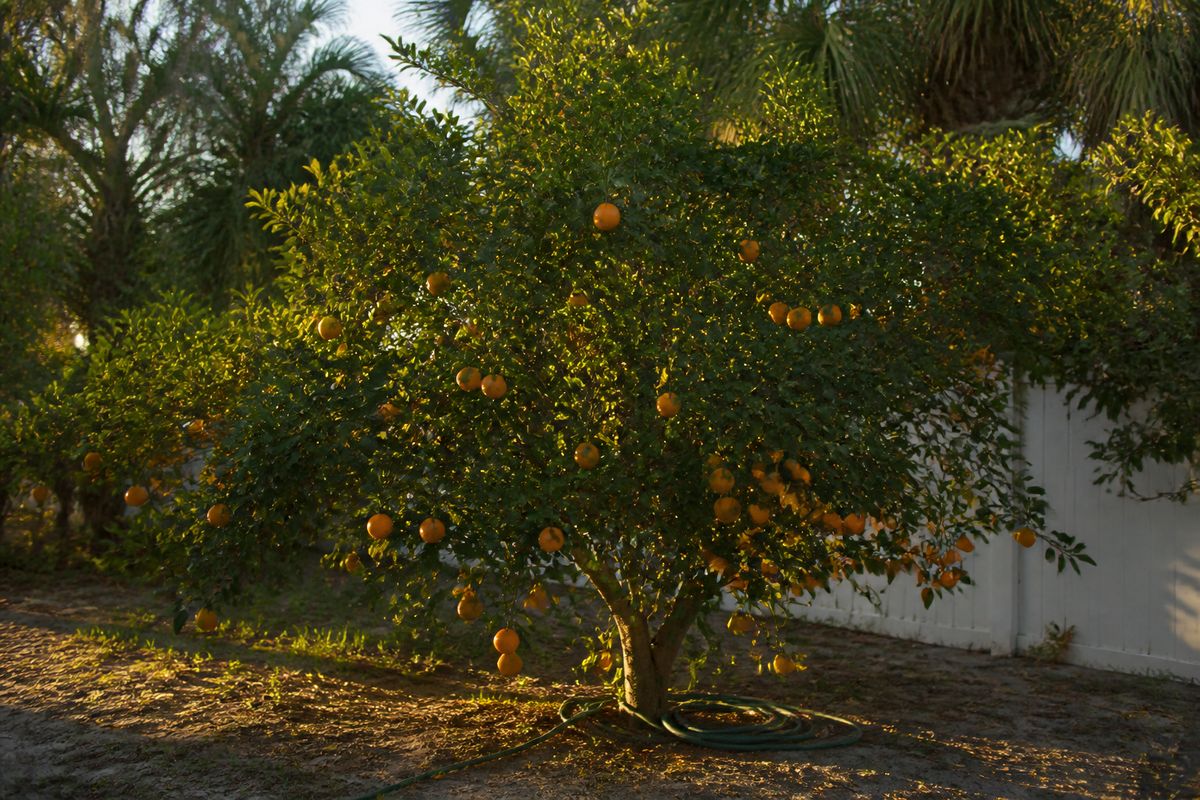
Growing citrus in Florida comes down to three things most homeowners get wrong at first: they plant a variety that isn't right for their zone, they water on a fixed schedule instead of watching the tree, and they underestimate how fast Florida's sandy soil drains. Get those three right and the rest of the tree's care is straightforward.
Best Citrus Trees for Florida Backyards
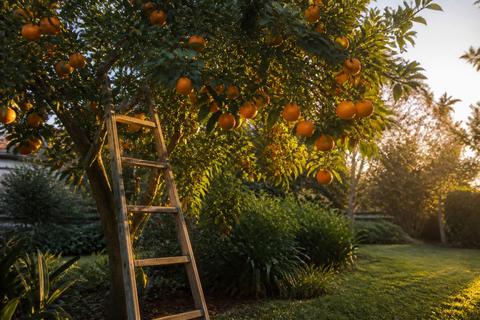
The right variety depends almost entirely on where in Florida you're planting. North Florida (Zone 8b-9a, think Gainesville to Tallahassee) gets hard freezes most winters, so cold tolerance matters more than flavor preference. Central and South Florida (Zone 9b-11) rarely freeze hard enough to kill a tree, which opens up sweeter, less cold-hardy varieties.
- North Florida: satsuma mandarins and kumquats are the safest bets. UF/IFAS research found satsuma to be the most cold-tolerant citrus grown commercially, with mature, dormant trees surviving down to 14-18°F in North Florida field trials without serious damage. Satsumas also need less heat to ripen than sweet oranges, which matters in a shorter growing season.
- Central Florida: sweet oranges, grapefruit, and tangerines do well here. You'll still want a plan for occasional freeze nights (frost cloth, string lights under a cover, or moving potted trees).
- South Florida: almost anything works, including lemons, limes, and less cold-hardy mandarins, since hard freezes are rare.
- Tight yards or patios: dwarf trees on trifoliate rootstock, or kumquats, stay compact and take pruning well.
Whatever you pick, buy from a certified Florida citrus nursery, not a big-box store shipment from out of state. Certified nursery stock is inspected for citrus greening and canker, which are established, tree-killing problems in Florida groves and yards.
For specific variety-by-variety picks, see the linked guide.
Full Guide: Best Citrus Trees for Florida Backyards
How to Water an Orange or Citrus Tree
Florida's sandy soil is the whole story here. It drains so fast that a tree can go from adequately watered to drought-stressed in a few hot days, but it also means root rot from overwatering is a real risk if you water on autopilot. Citrus roots need oxygen as much as they need moisture, and soggy soil suffocates them just as surely as drought dries them out.
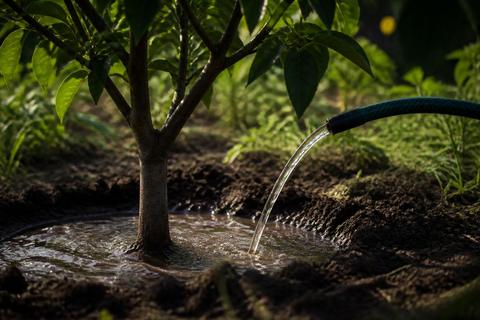
- Build a watering basin (a shallow ring of soil, roughly 2-3 feet across) around a newly planted tree so water soaks straight down to the roots instead of running off.
- For the first month after planting, fill the basin twice a week, about 8-10 gallons per watering if you're using a bucket or hose without a timer.
- After the first month, stop watering on a fixed schedule. Water when the top few inches of soil are dry and when new growth wilts by mid-afternoon, that's the tree telling you it's short on water.
- Cut back watering during Florida's summer rainy season (June through September) and increase it during the spring dry spell (April-May) and any extended dry stretch in fall or winter.
- If leaves are yellowing with soft, mushy soil, that's overwatering or poor drainage, not underwatering. Let the soil dry out before adding more.
For exact watering schedules by tree age and season, see the full guide.
Full Guide: How to Water an Orange or Citrus Tree
Growing Citrus in Containers in Florida
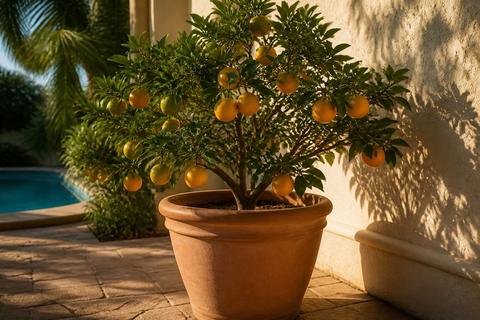
Containers make sense for patios, small lots, and for anyone in North or Central Florida who wants an easy way to protect a tree from a hard freeze by rolling it under cover for the night. The tradeoff is that a potted tree dries out much faster than an in-ground one, especially in summer, and it needs a bigger container than most people start with.
- Start with at least a 15-20 gallon pot for a young tree, and expect to size up as it grows. A pot that's too small forces more frequent watering than most people keep up with.
- Use a well-draining, soil-based potting mix made for citrus or palms, not a moisture-retentive mix built for houseplants.
- Make sure the pot has real drainage holes and isn't sitting in a saucer full of standing water. Do not add a layer of gravel at the bottom to "improve drainage," it actually raises the water table inside the pot and keeps the root zone wetter, not drier.
- Place the container where it gets direct sun most of the day and is sheltered from strong wind, which dries containers out fast.
- Check soil moisture by hand every few days in summer. Container citrus in Florida heat can need water every 1-2 days once the tree fills out the pot.
- Refresh the top few inches of soil yearly and repot every 2-3 years as roots fill the container.
For pot sizing by tree age and a full potting mix breakdown, see the linked article.
Full Guide: Growing Citrus in Containers in Florida
Frequently Asked Questions
What is the easiest citrus to grow in Florida?
For North Florida, satsuma mandarins are the easiest starting point. UF/IFAS research identifies satsuma as the most cold-hardy citrus grown commercially, and it handles the region's freezes better than sweet oranges or grapefruit. Kumquats are a close second, especially in containers, since they stay small and tolerate pruning. In Central and South Florida, where hard freezes are rare, easy-care options widen to include sweet oranges and most mandarin types. Whatever you choose, match it to your zone's freeze risk before your taste preference.
How much sun do citrus trees need in Florida?
UF/IFAS guidance notes that citrus trees tolerate light shade but produce more fruit in full sun. Aim for a spot with as much direct, unobstructed sunlight as you can give it, ideally most of the day. A tree that gets morning sun but afternoon shade from a fence or building will usually still grow healthy leaves, but flowering and fruit set drop off. Pick a south or southeast-facing spot when you have the choice, and avoid planting trees close enough together that lower branches end up shaded.
Can I grow citrus in a pot in Florida?
Yes. Container growing is common in Florida and has a real advantage: you can move the tree to shelter during a hard freeze instead of scrambling to cover an in-ground tree. Use a pot with real drainage holes, skip the gravel layer at the bottom, and expect to water more often than an in-ground tree, especially once Florida's summer heat sets in. Move containers to full sun and keep an eye on soil moisture by hand rather than by calendar.
When should I water citrus trees in Florida?
Newly planted citrus needs the most frequent watering: fill a basin around the trunk about twice a week for the first month, roughly 8-10 gallons each time. After that, water based on the soil and the tree, not the calendar. Water when the top few inches of soil are dry or when leaves wilt in the afternoon heat. Sandy Florida soil dries out fast, so check more often during summer heat and dry spells, but back off if the soil is still wet from the last watering or from rain, since waterlogged roots cause more damage than a few dry days.