Tips for Growing Plums in Texas
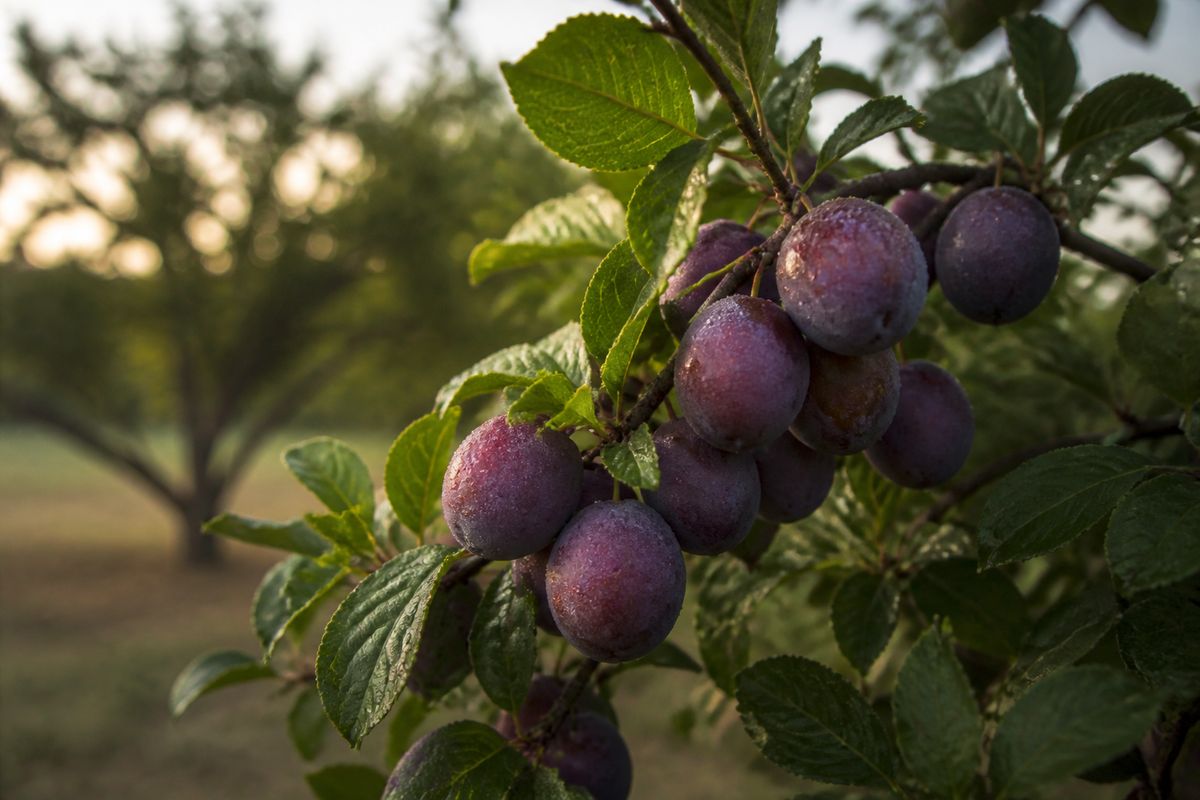
Tips for growing plums in Texas start with one hard truth: most plum varieties sold at nurseries elsewhere in the country will not fruit reliably here. Texas summers are too hot and too long for many European types, and winters in the southern half of the state often don't deliver enough cold to break dormancy properly. Pick the right variety for your region and plums are one of the easier fruit trees to grow in Texas backyards; pick the wrong one and you'll get a pretty tree that rarely sets fruit.
Which Plum Varieties Actually Fruit in Texas
Texas growers plant almost exclusively Japanese plums (Prunus salicina) and Japanese-European hybrids. Straight European types like Stanley, grown widely for drying into prunes, consistently underperform in Texas because they need a colder climate and are more prone to brown rot in our humid heat, according to Texas A&M AgriLife Extension's fruit specialists. Skip them.
| Variety | Ripens | Pollination | Notes |
|---|---|---|---|
| Methley | Late May to early June | Self-fruitful; also pollinates other varieties | The default choice statewide. Small-to-medium mottled purple fruit, juicy red flesh. Soft and doesn't store or ship well, so plan to eat or process it within a few days of picking. |
| Santa Rosa | Late June | Needs a pollinator | Large purplish plum with amber flesh; the most popular home and market variety across Texas. |
| Bruce | Around June 1 | Requires a pollinator (Methley works well) | Large red plum. Will not set fruit alone; plant it with Methley or another compatible variety nearby. |
| Ozark Premier | Late June | Self-fruitful | A Methley × Burbank cross. Large plum, yellow flesh, reddish skin. |
| Morris | Early June | Needs a pollinator | Large, firm red-to-purple plum, but it needs 800+ chill hours below 45°F, which limits it to North Texas (Panhandle, DFW-north). Don't plant it south of there. |
Because most of these varieties are not self-fruitful, plant at least two compatible varieties with overlapping bloom times within about 50 feet of each other, or you'll get flowers and no fruit.
Chill Hours: Why Region Matters More Than the Tag on the Tree
Chill hours are the accumulated hours between 32°F and 45°F a tree needs during winter dormancy before it can bloom and fruit normally the following spring. Texas's chill hour totals vary enormously by region: Central Texas (Travis County) typically falls in a 550-850 hour range, while South Texas and the Gulf Coast often see well under 400 in a mild winter, per Travis County AgriLife Extension. That's exactly why Morris (800+ hours) is a North Texas variety only, and why Methley, low-chill and adapted "across Texas" per AgriLife, is the safer statewide default. If you're near the coast or in the Rio Grande Valley, lean even harder toward Methley and skip anything billed as needing 700+ hours; it will bloom erratically or not at all most years.
Choosing the Right Planting Site
- Sunlight: Full sun, 6-8 hours minimum. Shaded plums grow leggy and fruit poorly.
- Soil: Well-draining soil, pH 6.0-7.5. Texas clay is the biggest killer of backyard plum trees: if water stands in the planting hole more than a few hours after a rain, amend heavily with compost or pick higher ground, since plums (like their peach relatives) are quick to develop root rot in soggy soil.
- Space and airflow: Give trees 15-20 feet of separation. Crowded plantings trap humidity around the fruit, which invites brown rot.
- Windbreak: Block prevailing wind where possible; it snaps blossoms and young shoots.
- Avoid frost pockets: Low spots hold cold air and will hit early bloomers like Bruce and Morris hardest.
Planting: Timing and Technique
Plant bare-root or container plums while they're fully dormant, December through February for most of Texas, not in spring. Texas A&M AgriLife Extension's statewide fruit specialist Tim Hartmann recommends planting early in that window so roots have the mild winter months to establish before the tree has to cope with summer heat and drought. A tree planted in March instead of January is starting its first Texas summer with a much smaller root system.
- Dig the hole only as deep as the root ball. The root collar (where color changes from root to trunk) should sit level with the surrounding soil, not buried.
- Size the hole to the spread of the roots, generally 12-18 inches deep for a young tree, wider than deep.
- Set the tree so the graft union, if present, stays a few inches above grade.
- Backfill with the native soil (no need to swap in heavy compost in the hole itself), firming gently to remove air pockets.
- Water in thoroughly once at planting to settle the soil.
- Keep a 2-3 foot ring around the trunk completely free of grass and weeds for at least the first several years. That bare ring reduces competition for water far more than mulch does on a brand-new tree. Hold off on mulch until the tree is established; add it later within that same cleared ring, kept a few inches off the trunk.
Dormant, newly planted trees can go 4-6 weeks without irrigation if winter rainfall is normal. Don't panic-water a bare-root tree in January.
Watering and Fertilizing Through the Season
Watering:
- Once the tree leafs out and is actively growing, water about once a week with roughly 1 inch of water, applied close to the trunk at first and moved outward as the root zone expands.
- Mature, established trees generally need deep watering every 7-10 days during dry summer stretches; Texas summers rarely let you skip this.
- Don't keep the soil constantly wet. Plums, like peaches, are susceptible to root and crown rot in waterlogged clay.
Fertilizing:
- Apply a balanced fertilizer (10-10-10 or similar) in late winter/early spring, just before growth resumes.
- A light second application in late spring is reasonable for a vigorously growing young tree; go easy on nitrogen on bearing trees, since excess nitrogen pushes leafy growth at the expense of fruit and thickens up disease pressure.
- A soil test every few years beats guessing, especially in Texas's variable soils.
Pruning
- Timing: Prune while fully dormant, in mid-to-late winter, before bud break.
- Shape: Train to an open-center (vase) shape: three or four main scaffold limbs with the middle opened up. This lets light and air into the canopy, which matters in Texas because still, humid air inside a dense canopy is exactly what brown rot needs.
- Remove: Dead, damaged, or crossing wood; water sprouts and root suckers that steal energy from fruiting wood.
- Don't over-prune young trees: Heavy pruning delays the first fruiting crop; light, structural cuts in years one to three are enough.
Pests and Diseases to Expect
Texas plums face largely the same pest and disease pressure as Texas peaches, per AgriLife Extension:
- Brown rot: The biggest disease threat in Texas's humid heat. It rots blossoms and fruit. Prune for airflow, remove and destroy mummified fruit and drops promptly, and don't let ripe fruit sit on the tree.
- Plum curculio: A small beetle that scars fruit and causes early drop. Clean up fallen fruit fast so larvae can't complete their cycle in the soil.
- Bacterial leaf spot: Shows up as dark spots on leaves and fruit in wet years; airflow and sanitation help more than sprays.
- Stink bugs: Cause pitted, dimpled fruit. Hand-pick or trap in small backyard plantings; they're hard to spray away completely.
Don't expect a spray-free plum tree in Texas. Brown rot pressure alone means most growers need at least a basic fungicide program during bloom and ripening in humid years, especially in East Texas and along the coast.
Harvesting
- Pick when the fruit has reached full color for the variety and gives slightly to gentle pressure. Plums don't ripen much further in sweetness once picked, unlike peaches.
- Harvest in the cool of the morning to reduce bruising and stress on the fruit.
- Handle gently; plums bruise easily and bruised fruit rots fast in Texas heat.
- Refrigerate promptly. Methley in particular is soft and short-lived after picking, so plan to eat, can, or freeze it within a few days rather than storing it for weeks.
Being Honest About Difficulty
Plums are one of the more forgiving stone fruits for Texas home growers, but they are not foolproof. Bruce and Morris will disappoint you if planted alone with no pollinator nearby. Morris will disappoint you anywhere south of North Texas regardless of pollination, because it simply won't get its 800 chill hours most winters. European prune-type plums (Stanley and similar) are a poor bet almost anywhere in the state. If you want the highest odds of a harvest with the least fuss, plant Methley, and add a second variety like Santa Rosa or Ozark Premier for better pollination and a longer harvest window.
FAQ
Do plum trees need a second tree to pollinate in Texas?
Usually yes. Most Texas-adapted varieties, including Bruce, Santa Rosa, and Morris, need a compatible pollinator planted nearby. Methley and Ozark Premier are self-fruitful exceptions, and Methley also works well as a pollinator for the others.
What's the best plum variety for South Texas or the Gulf Coast?
Methley is the safest choice in low-chill areas because it's adapted across the whole state and doesn't need a heavy winter chill. Avoid high-chill varieties like Morris this far south.
When should I plant a plum tree in Texas?
December through February, while the tree is fully dormant, gives roots the most time to establish before summer heat arrives.
Why isn't my plum tree fruiting?
The two most common causes are a missing pollinator variety and insufficient chill hours for that particular variety in your region. Check both before assuming a disease or care problem.