Tips for Growing Apricots in Texas
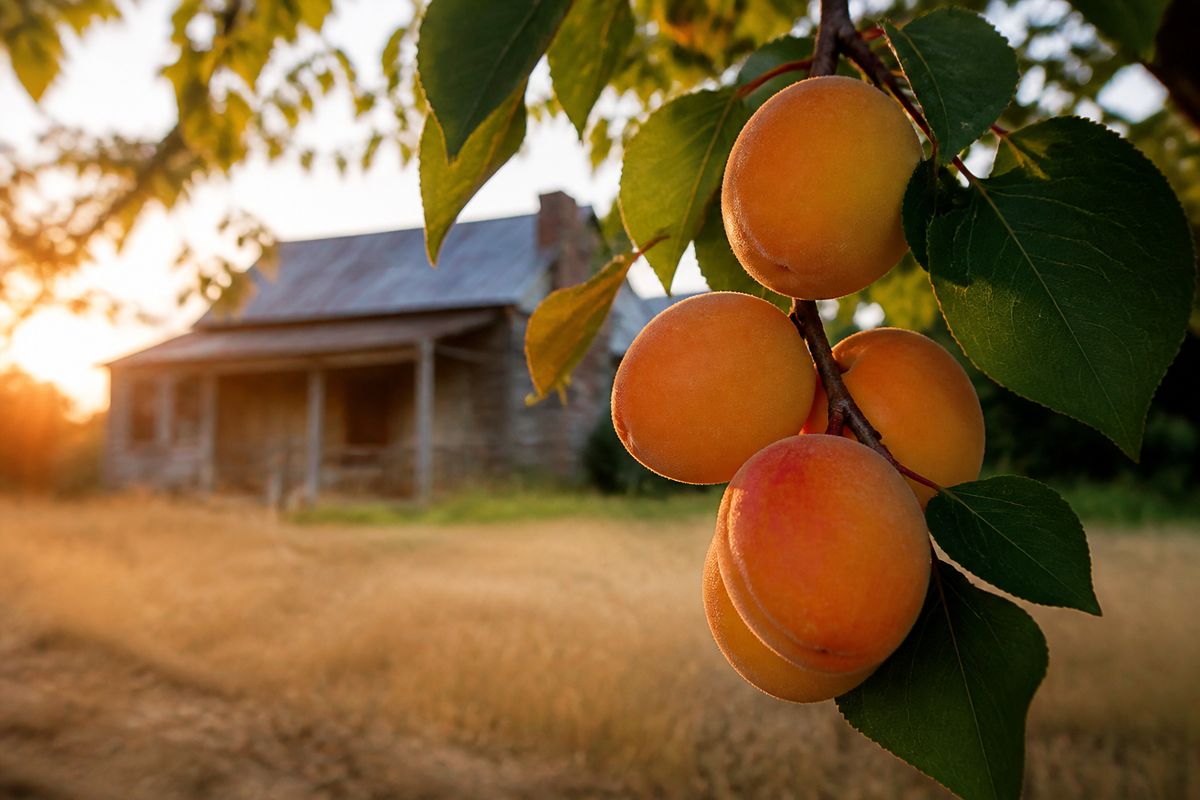
If you're looking for tips for growing apricots in Texas, start here: apricots are possible in this state, but go in with your eyes open. Apricots are widely considered the trickiest stone fruit to grow in Texas, and even a healthy, well-sited tree may only produce a real crop 3 years out of every 5. The problem isn't heat or soil, it's timing. Apricots bloom earlier than peaches or plums, and a single late freeze after bud break can wipe out the entire year's flowers before you ever see fruit. If you understand that trade-off and still want to try, here's what actually works in Texas conditions.
Why Apricots Struggle in Texas
Apricots (Prunus armeniaca) need a period of winter chilling below 45°F to break dormancy and bloom properly on schedule. Texas A&M AgriLife Extension explains that stone and pome fruit trees need this rest period, and when they don't get enough of it they show delayed and extended bloom, delayed foliation, and reduced fruit set (Texas A&M AgriLife Extension, Harris County). Apricots' real problem in Texas isn't a lack of chilling, though, it's the opposite risk: they tend to break dormancy and bloom very early, often in February, which puts the flowers directly in the path of the state's unpredictable late freezes. A late-February or March cold snap after bloom can kill the entire crop for that year, and this happens often enough that Texas growers are told plainly not to expect annual crops from apricot trees.
Varieties That Actually Fruit Here
Variety choice will not fix the frost problem, but some cultivars are meaningfully more reliable in Texas than others. Recommended varieties from Texas A&M AgriLife Extension include:
- Blenheim: Medium-sized fruit with orange peel and yellow flesh; generally considered the most consistent performer in Texas, ripening in June.
- Moorpark: Medium to large fruit with orange flesh, also ripening in June; an old, widely grown variety with a long track record.
- Bryan: Medium-sized fruit with orange flesh, ripening from late May into early June.
- Chinese (also sold as Mormon): More cold-hardy with an extended bloom period, which can spread out frost risk somewhat; fruit runs small to medium.
Skip anything marketed as a low-chill apricot bred for California or the Southeast without a track record here. If a nursery can't tell you how a variety performs in your specific part of Texas, treat that as a red flag, not a maybe.
Rootstock and Soil
Apricots in Texas are typically grafted onto peach rootstock. If your soil is alkaline (common in much of Central and North Texas), ask for an apricot rootstock instead, since peach roots can struggle with iron uptake in high-pH soil and develop chlorosis (yellowing between the leaf veins). Beyond rootstock, apricots want the same soil conditions as peaches: a sandy loam that drains well, ideally 18 to 24 inches deep, with a pH between 6 and 7. Standing water around the root zone is one of the fastest ways to lose a young tree, so avoid low spots and heavy, poorly drained clay unless you build a raised planting mound.
Site Selection: Your Best Frost Defense
Since bloom-time freeze is the single biggest threat to your crop, site selection matters more for apricots than for almost any other fruit tree. A few concrete moves that help:
- Plant on a slope or high ground, not in a low spot. Cold air sinks and pools in low areas on calm, clear nights, exactly the conditions that produce a hard radiational freeze. A site even a few feet higher than the surrounding land drains cold air away from the blossoms.
- Avoid low corners of the yard, creek bottoms, and enclosed courtyards where cold air has nowhere to go.
- Face the tree north or northeast if possible. A north-facing slope warms more slowly in late winter, which can delay bloom by a few days and occasionally dodge a frost event that would have caught a south-facing tree in full flower.
- Give the tree full sun for the rest of the growing season once the frost risk has passed; apricots need at least 6-8 hours of direct sun daily to ripen fruit well.
Planting and Spacing
Plant bare-root or container trees in December through early March while they're dormant, matching the timing used for peaches in Texas. Dig the hole only as deep as the root ball and about twice as wide, keep the graft union a few inches above the soil line, water in thoroughly, and mulch 2-3 inches deep starting a few inches from the trunk. Because apricot trees can eventually spread 25 to 30 feet wide and tall if left unpruned, give them at least 20 feet of clearance from structures, fences, and other trees when you pick a spot.
Watering
Apricots don't tolerate wet feet. In the first two growing seasons, water deeply once or twice a week rather than giving frequent shallow sips, aiming for the equivalent of about an inch of water a week when there's no rain. Once established, mature trees can go longer between waterings but still need deep soakings during Texas summer dry spells; a soaker hose or drip line at the drip line of the canopy is more effective than an overhead sprinkler, since wetting the foliage encourages fungal problems like brown rot.
Pruning
Apricots fruit on both one-year-old wood and older spurs, so annual pruning is about renewing the tree, not maximizing every branch. Prune only in winter while the tree is dormant:
- In the first year, select 3 to 4 well-spaced main scaffold branches and remove the rest.
- Each following winter, remove dead, damaged, or crossing wood and thin crowded interior growth so sunlight and air can reach the center of the canopy, this cuts down on brown rot and other fungal disease.
- Keep mature trees headed to roughly 10-12 feet so you can actually reach and pick the fruit without a tall ladder.
Pests and Diseases to Watch For
| Problem | What you'll see | What to do |
|---|---|---|
| Brown rot | Blossoms wilt and turn brown; fruit develops soft brown spots and can mummify on the branch | Remove and destroy mummified fruit and infected twigs; improve air circulation through pruning; fungicide at bloom if pressure is high |
| Peach twig borer | Wilted shoot tips, small holes bored into twigs and fruit | Dormant oil spray in late winter; targeted insecticide at bloom and after harvest if infestations recur |
| Bacterial leaf spot / shot hole | Small round holes in leaves, dark lesions on fruit and twigs | Rake and remove fallen leaves and debris; copper-based spray in late winter before bud break |
| Aphids | Curled, sticky leaves and sooty mold on the honeydew | Insecticidal soap; avoid heavy nitrogen fertilizing, which pushes soft new growth aphids prefer |
Harvest
Depending on variety, Texas apricots typically ripen from late May through June. Pick when the fruit has fully colored and gives slightly to a gentle squeeze, apricots don't ripen much further once picked, unlike peaches, so don't harvest green fruit expecting it to finish ripening on the counter. Handle gently; the flesh bruises easily. Fresh apricots hold for only a few days in the refrigerator, so plan on canning, drying, or making preserves if your tree has a good year.
Frequently Asked Questions
Can I grow apricots anywhere in Texas?
You can plant one almost anywhere in the state's stone-fruit-growing regions (roughly USDA zones 7b-8b across Central, North, and parts of West Texas), but success is far from guaranteed anywhere. The Gulf Coast and Deep South Texas generally aren't a good fit since winters there rarely deliver the chilling apricots need to bloom on a normal schedule. Even in the better regions, expect an off year whenever a hard freeze lands after bloom.
Do I need two trees to get fruit?
No. Most apricot varieties, including Blenheim, Moorpark, and Bryan, are self-fruitful and don't need a second tree or variety for pollination. Planting a second tree can modestly improve fruit set, but it isn't a requirement.
Why did my tree bloom beautifully but set no fruit?
This is the most common apricot complaint in Texas, and there are two likely causes: a light freeze during or right after bloom that damaged the flowers without killing the whole tree, or the fruit buds losing cold hardiness during one of the state's typical late-winter warm-cold swings. Neither is something you did wrong, and neither has a reliable fix beyond better site selection next time.
Is it even worth planting one?
If you want guaranteed fruit every year, plant a fig or a well-chosen peach variety instead, both are more forgiving of Texas's freeze-thaw winters. If you have the space, patience, and a well-drained, elevated spot in full sun, an apricot tree is still a reasonable bet: it's an attractive tree even in years it doesn't fruit, and in a good year the harvest is worth the wait.