Tips for Growing Figs in Texas
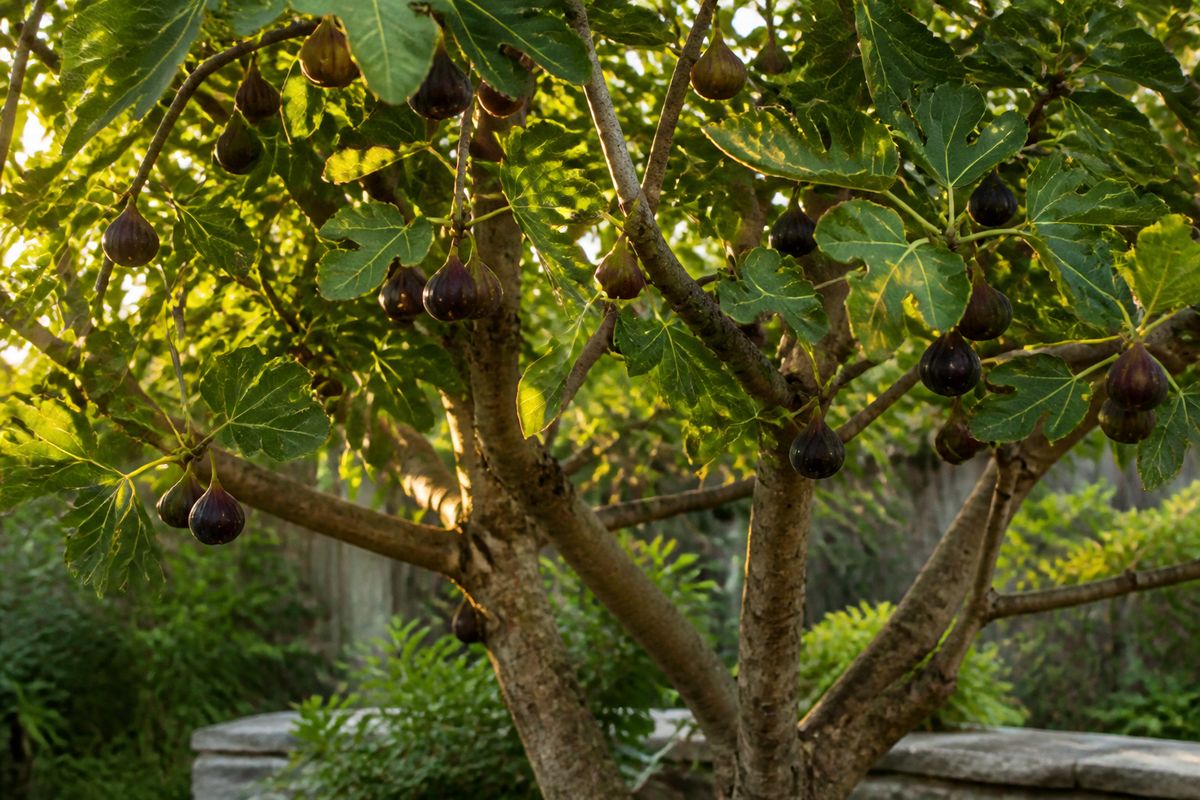
These tips for growing figs in Texas start with the one fact that matters most: figs work better here than almost any other fruit you could plant, but the state's wild temperature swings mean you have to pick the right variety and protect young trees through their first few winters. Figs are largely indifferent to winter chill (unlike peaches or apples, they don't need a set number of cold hours to fruit), which is exactly why they perform from the Panhandle down to the coast when most other fruit trees struggle. The tradeoff is cold injury: a hard freeze can kill a fig back to the ground, and how well it recovers depends entirely on which variety you planted.
Why Figs Actually Work in Texas
Mature, well-conditioned fig trees can usually tolerate sustained temperatures down to about 17°F, and figs in general are limited to areas that don't drop much below 5°F, though stem tissue can start taking damage at temperatures well above that outer limit, according to Texas A&M AgriLife Extension's fig production guide. That puts most of the state in workable territory, but not all of it equally: North Texas and the Panhandle see hard freezes into the low teens or single digits most winters, while the Gulf Coast rarely drops below the mid-20s. In practice this means fig trees in Dallas or Amarillo get frozen to the ground some years and have to regrow from the roots, while trees in Houston or Corpus Christi keep their trunks and just keep getting bigger. Either way, AgriLife notes that figs commonly take at least mild winter injury in all but the warmest parts of the state, so treat some dieback as normal, not a sign you did something wrong.
Varieties That Actually Fruit Here
Skip the fig varieties bred for California or the Mediterranean, they either need chill hours Texas doesn't reliably deliver or they can't take the cold snaps. AgriLife's extension fruit specialists list three standard varieties for home and small-scale production in Texas, plus four more worth trialing:
- Celeste (Celestial): The most cold-hardy fig variety tested in Texas, and the one to plant if you're anywhere north of Austin. Small brown-to-purple fruit with a rich, sweet flavor, harvested mid-to-late June, ahead of most other varieties. The eye (the small opening at the fruit's base) stays tightly closed, which keeps out the insects and rain that cause souring.
- Texas Everbearing (also sold as Brown Turkey or Ramsey): Less cold-hardy than Celeste but still reliable almost every year. Medium-to-large reddish-brown fruit that ripens over a long stretch, June through August. The fruit can crack or sour in unusually wet years since the eye isn't fully closed.
- Alma: Very frost-sensitive, so AgriLife recommends keeping it within about 200 miles of the Gulf. If you're inland or north, skip it. Where it works, the flavor is excellent even though the fruit itself looks unremarkable.
- LSU Purple: Released by Louisiana State University in 1991, relatively cold-hardy and well adapted across the Gulf Coast. Medium-to-dark purple skin, strawberry-colored flesh, good production most years. Listed as a trial variety rather than a standard one, but it has a solid track record in Texas home orchards.
Brown Turkey and Celeste are the two to start with if you only want one tree; Celeste for anywhere with real winter, Brown Turkey if you're coastal or in the southern half of the state and want a longer harvest window.
Where and How to Plant
Site Selection
Full sun is non-negotiable, figs perform best with direct sun most of the day. AgriLife also points out a specific trick: plant on the south or east side of a house or barn. That placement blocks the coldest winter winds and lets morning sun dry the foliage and fruit quickly after rain, which matters because wet leaves are how fig rust gets a foothold.
Soil
Figs tolerate a wide range of soils, from coarse sand to heavy clay, as long as drainage is decent. The one real soil hazard in Texas is root-knot nematodes, microscopic worms that gall the roots and slowly starve the tree, and AgriLife specifically flags sandy soils as the higher-risk case. If you're in East Texas sand, buy nematode-free stock and avoid replanting figs into ground where a previous tree struggled.
Planting Time and Technique
Plant in late winter or early spring, while the tree is still a dormant rooted cutting. Set it 2 to 3 inches deeper than it was growing in the nursery pot. Because a mature fig can spread to 20 feet, space trees at least 16 feet apart, closer and you'll be fighting canopy crowding within a few years. Cut the dormant trunk back by about a third at planting; this compensates for the roots the tree lost when it was dug at the nursery and pushes vigorous new growth. Water immediately after planting to settle the soil, but hold off on fertilizer until the tree is established and growing, feeding a freshly planted tree does nothing but waste fertilizer since early growth runs on the stored carbohydrates already in the trunk and roots.
Watering and Feeding
Fig roots are shallow and fibrous, which makes the tree quick to show drought stress but also easy to overwater into root rot. A 2 to 4 inch layer of organic mulch out to the drip line does double duty: it holds soil moisture between waterings and moderates root-zone temperature through both summer heat and winter cold snaps. During the first year, water deeply whenever the top few inches of soil dry out, don't go by a fixed schedule, go by the soil. Established trees are considerably more drought-tolerant but still fruit better with consistent moisture through the summer ripening stretch.
Skip heavy fertilizer programs. AgriLife's guidance is simply small, frequent applications of nitrogen for both young and mature trees, not a single heavy spring feeding. Over-fertilizing figs tends to push leafy growth at the expense of fruit and can make the tree more freeze-tender heading into winter.
Getting Trees Through a Texas Winter
This is the step most guides skip and the one that actually determines whether your fig tree survives its first few years. Cold tolerance depends on the variety, how conditioned the tree is to gradually dropping temperatures, and soil moisture, dry roots freeze more easily than moist ones, so water trees thoroughly a few days ahead of a forecast hard freeze.
For young trees, wire cages packed with hay, leaves, or lawn clippings around the trunk work well; remove the cages and pull the mulch back once spring frost danger has passed. Mature trees can get 2 to 3 feet of loose hay mounded around the base of the trunk for the same effect. If a tree does freeze to the ground, don't panic and don't remove it, figs regrow vigorously from the roots. Once the new shoots reach about 2 feet tall, choose five or six of the strongest to become the new trunks and remove the rest gradually over 2 to 3 weeks rather than all at once, cutting suckers away too fast can shock the plant. Trees frozen to the ground in late winter can still produce a modest crop that same summer and be back in full production the following year.
Pests and Diseases
Fig Rust
Fig rust (Cerotelium fici) is, in AgriLife's words, the greatest disease threat to fig production in Texas, and it gets worse in wet years and humid regions. Infected leaves brown and develop orange fruiting structures on their undersides, then drop early, which weakens the tree and leaves that season's crop under-ripened. There is no approved conventional fungicide for it. Rake up and destroy fallen infected leaves promptly, and apply an organic copper fungicide at the very first sign of infection, copper works but only if you catch it early.
Dried Fruit Beetle
The main insect problem on ripening fruit is the dried fruit beetle, which gets into figs through the eye (the small opening at the blossom end). Varieties with a tightly closed eye, Celeste especially, resist this far better than open-eyed types. No conventional insecticide is labeled for it, but elemental sulfur can help deter beetles from colonizing ripening fruit.
Root-Knot Nematodes
These microscopic worms attack roots and cause galling, and a heavy infestation can go unnoticed for years while the tree slowly loses vigor and drops fruit prematurely. Sandy soil is the higher-risk situation. Prevention is the only real fix, start with nematode-free nursery stock in soil that hasn't hosted a struggling fig before.
Fig Mosaic Virus
This causes mottled leaves, usually showing up in peak summer heat, along with smaller and misshapen fruit. There's no cure or treatment, the only defense is inspecting nursery stock carefully before you buy so you don't introduce it in the first place.
Harvest
Figs ripen on the tree and do not continue ripening once picked, so timing matters. Expect a first, lighter crop in late spring to early summer (Celeste often leads in mid-to-late June), with a larger crop following in late summer into fall for varieties like Texas Everbearing. A ripe fig softens, droops downward on its stem instead of standing upright, and often develops a small crack or bead of nectar at the eye. Pick in the cooler part of the day and handle the fruit gently, it bruises if squeezed. Figs are highly perishable: plan to eat or process them within a couple of days of picking, or preserve extras by drying, freezing, or making jam.
Realistic Expectations
Figs are genuinely one of the lowest-maintenance fruits you can grow in Texas, AgriLife describes them as one of the most problem-free fruit crops for areas with mild winters, and dooryard trees can meet a family's needs with fruit to spare for the neighbors. What figs don't reliably deliver in Texas is commercial-scale, dependable annual production, AgriLife notes that commercial fig growing here has largely not worked out, mainly because of unpredictable freezes and the fruit's short shelf life once picked. For a home garden, though, plant Celeste if you get real winters, add a Texas Everbearing or LSU Purple if you're farther south, protect young trunks for the first two or three winters, and expect a productive, largely self-sufficient tree after that.
FAQ
Do fig trees need a lot of chill hours in Texas?
No. Unlike peaches or apples, figs don't have a meaningful winter chilling requirement, which is a big part of why they succeed across so much of Texas while other temperate fruits struggle with the state's mild, inconsistent winters.
How cold can a fig tree survive?
Mature, well-conditioned trees can survive sustained temperatures around 17°F, and figs generally can't be grown where winter temperatures drop much below 5°F. Young trees and unhardened trunks take stem damage at much milder temperatures than that, which is why winter protection matters most in a tree's first two or three years.
Why did my fig tree freeze to the ground, and is it dead?
Almost certainly not. This is a normal response to a hard freeze, especially in North and Central Texas. The roots typically survive and send up vigorous new shoots in spring; select the strongest five or six as new trunks and the tree can be back in full production within a year or two.
Can I grow fig trees in containers in Texas?
Yes, especially useful if your soil is poor or nematode-prone, or if you want to move the tree into a garage or against a warm wall during hard freezes. Use a large container and a well-draining potting mix, and expect to water more often than an in-ground tree since container soil dries out faster.